
Winter Gear Essentials
Winter has a way of making travel and time outdoors feel more intentional. Shorter days, colder air, and snow-covered landscapes mean what you wear matters more than any other season. The right clothing and gear can be the difference between feeling restricted by the cold or fully enjoying everything winter has to offer, from camping adventures, to winter hikes, to city exploring in freezing temperatures.
In this post, I’ll break down the essential winter layers that keep you warm, comfortable, and ready for whatever your winter travels and outdoor plans look like. This time of year happens to be one of the best times to buy outdoor gear because of the post holiday sales, and I will be sharing some of my favourite pieces and top rated items that are up to 40% off.
*this blog post is sponsored by Altitude Sports and contains affiliate links. We make a small commission for each sale. There is no extra cost to you, and helps me continue to provide you with free information. Appreciate your support so much!*
ALTITUDE SPORTS
Boxing Week: up to 40% off + get an extra 10% off with our membership discount
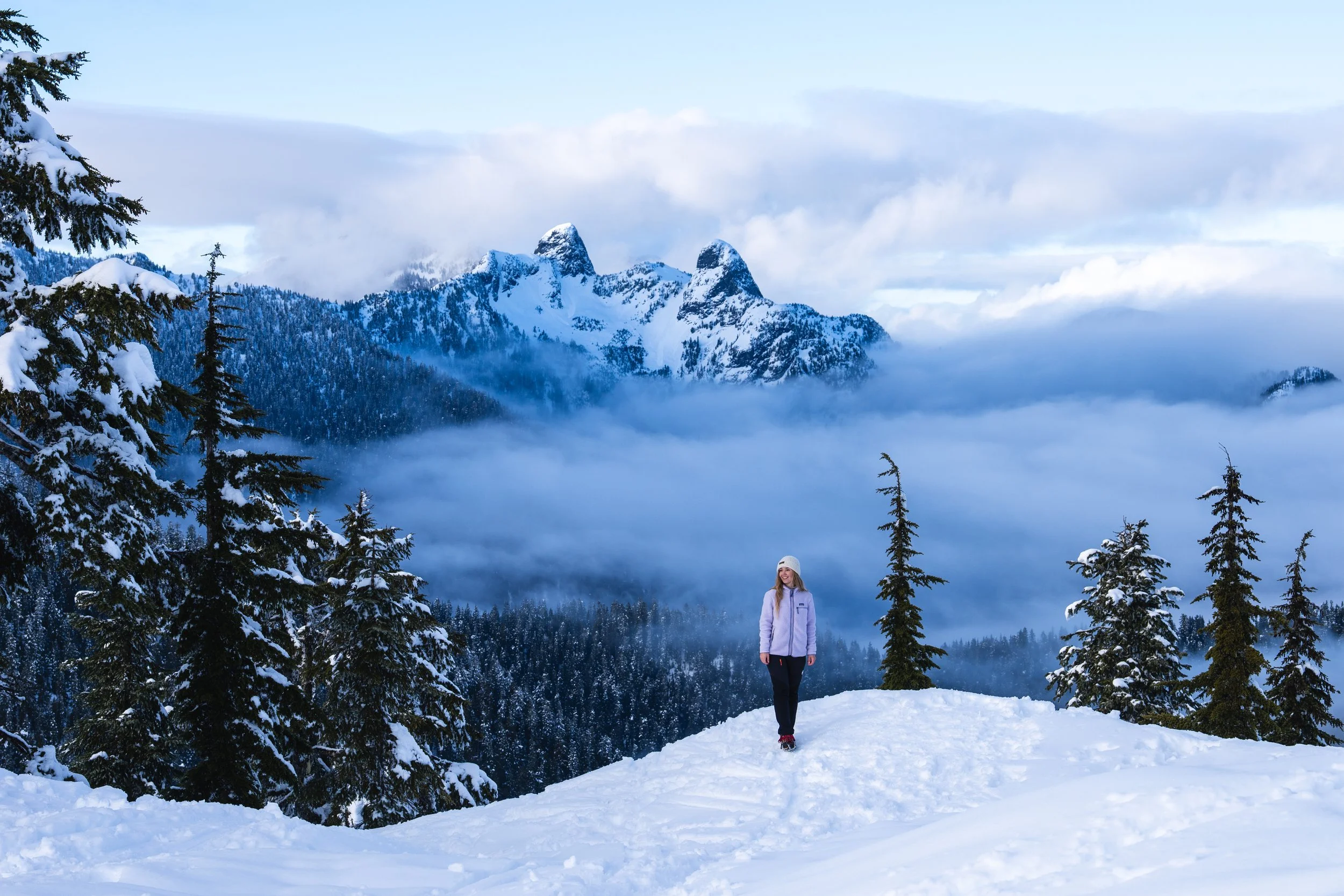
Coming from someone who is always cold and has previously not enjoyed winter - let me tell you that one of the most important things you can do is layer, layer, layer! Layering clothing is the key to enjoying your winter adventures and staying toasty warm. A basic layering system allows you to be prepared and comfortable so that you can regulate your body temp by adapting to the weather.
Synthetic and wool materials are the best for moisture-wicking and retaining body heat. I strongly suggest staying away from cotton because it is heavy, absorbs a lot of moisture, and will take much longer to dry. I have found that it is important to monitor how you’re feeling on your adventures (specifically for hiking or sports), and always de-layer before you get sweaty as this can in turn make you colder once you stop moving.
This is your basic layering system:
Base Layers
Choose moisture-wicking base layers that sit close to the skin. Merino wool or high-quality thermal fabrics help regulate body temperature and keep you warm without overheating. Avoid cotton, it traps moisture and can make you feel colder.
Mid Layers
Mid layers provide insulation. Fleece pullovers, lightweight down jackets, or wool sweaters work well depending on how cold your destination is. This layer should trap heat while still allowing movement.
Outer Layers
A well-made outer layer is essential. Look for insulated, windproof, and water-resistant jackets or parkas. For travel, a longer coat offers extra warmth and versatility, especially in cities or colder climates.
Accessories
May be just as important as the other layers! Functional, high quality pieces with proper materials will make all the difference.
Below is a list of all the layers I pack with me on my adventures, from -35°C in Finnish Lapland, to snowy winter hikes in Vancouver, Canada.
Outerwear
Your outerwear needs to be functional! Choose the right pieces with the points below.
Insulation rated for cold temperature
Wind-blocking materials
A hood (insulated if possible)
Enough room to layer underneath
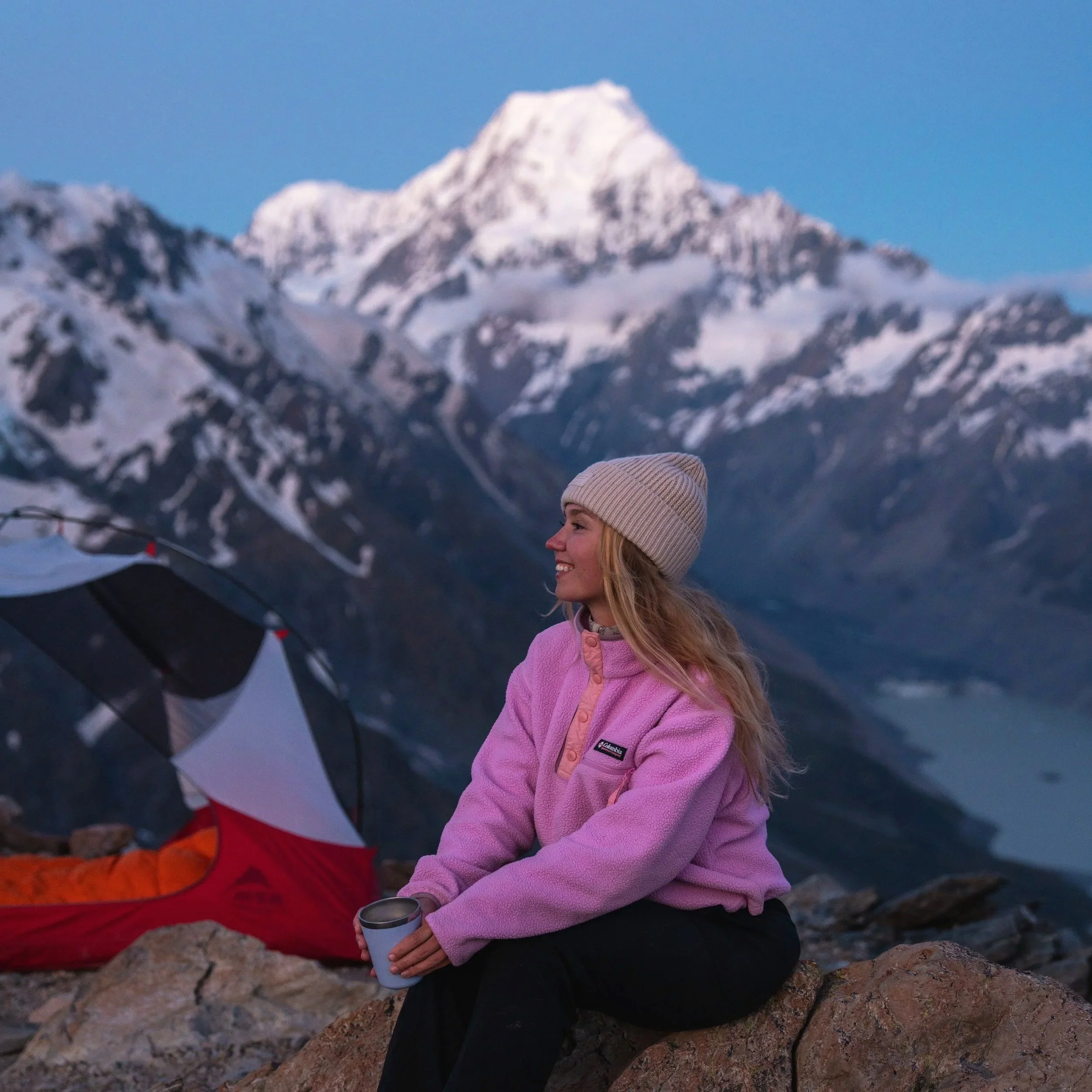
Save on The North Face, Icebreaker, Rab, Black Diamond, Columbia and more
Insulated Jackets
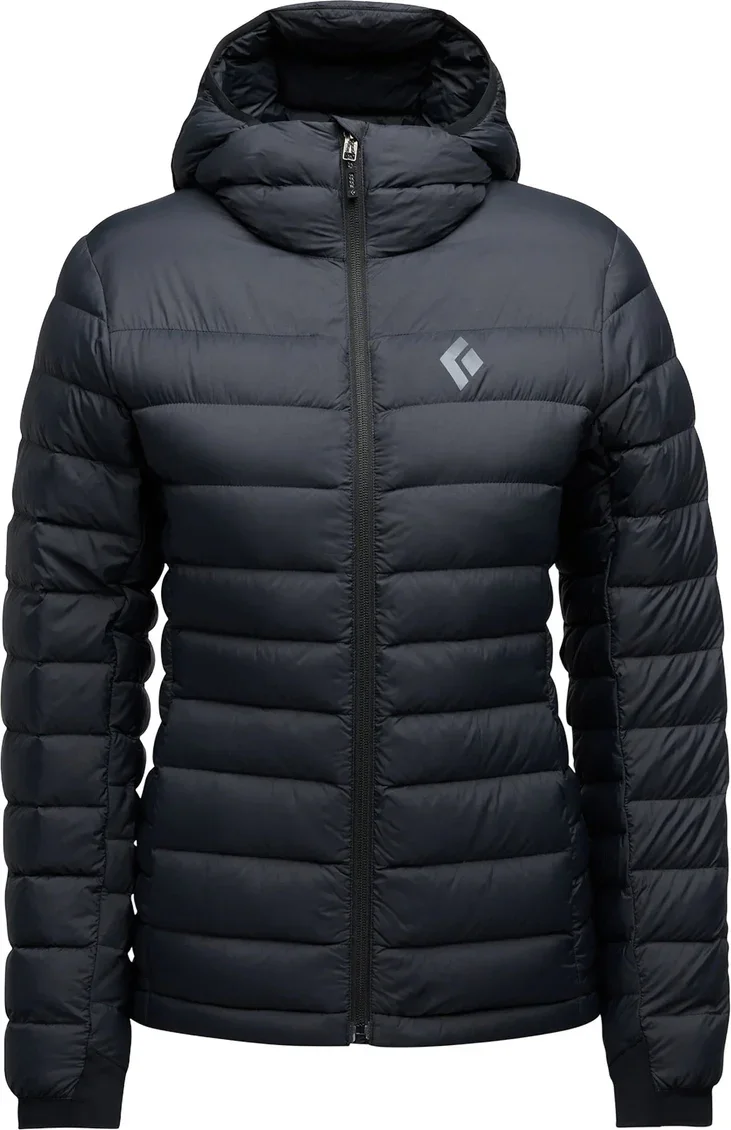
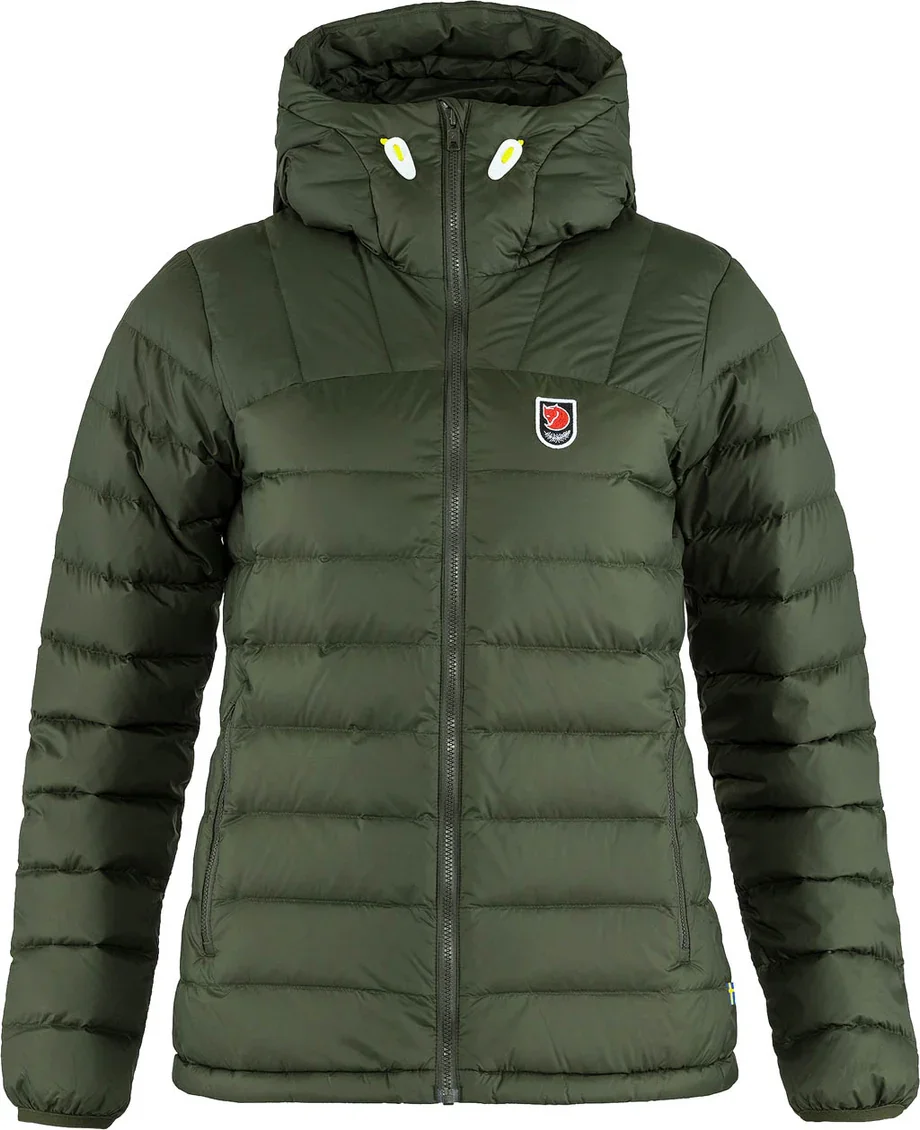
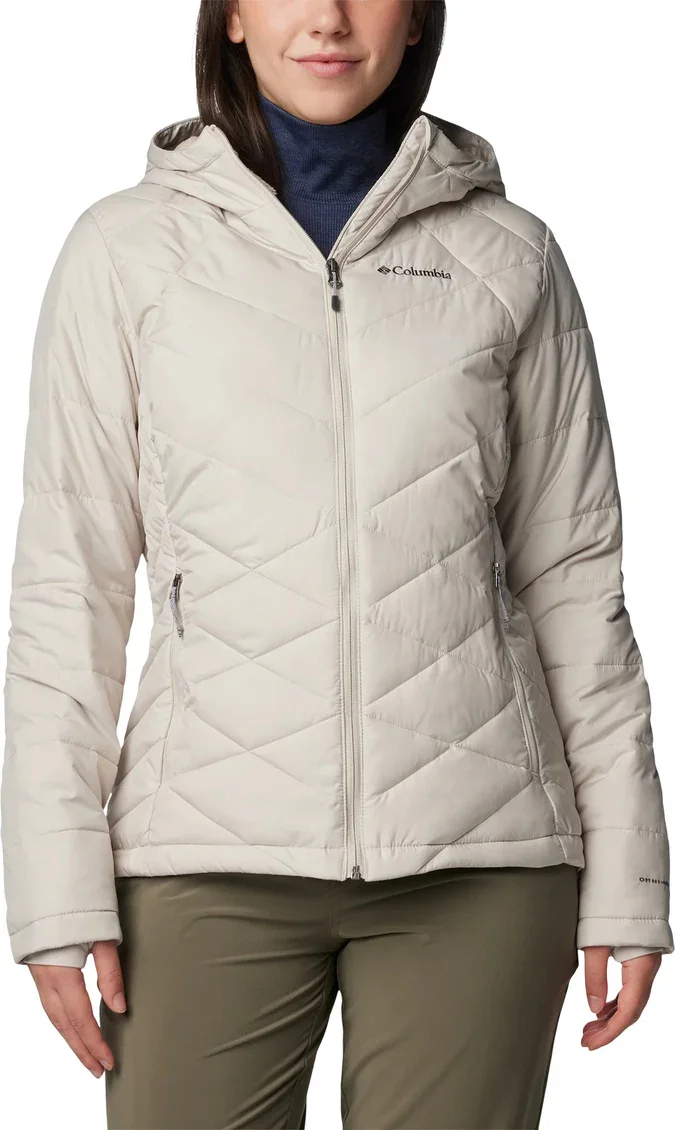
Down Jacket
If you are doing something more active like hiking, walking, or winter sports then a Down Jacket will be your best bet for compatibility and warmth to weight ratio.
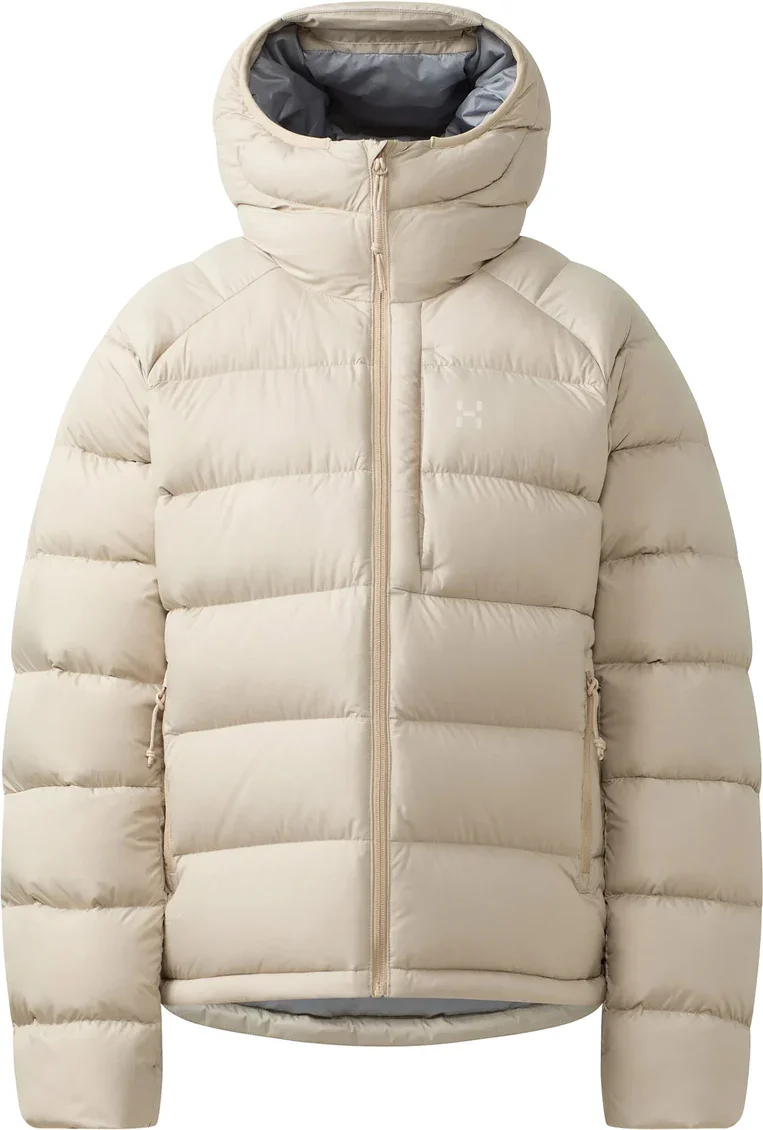
Parkas
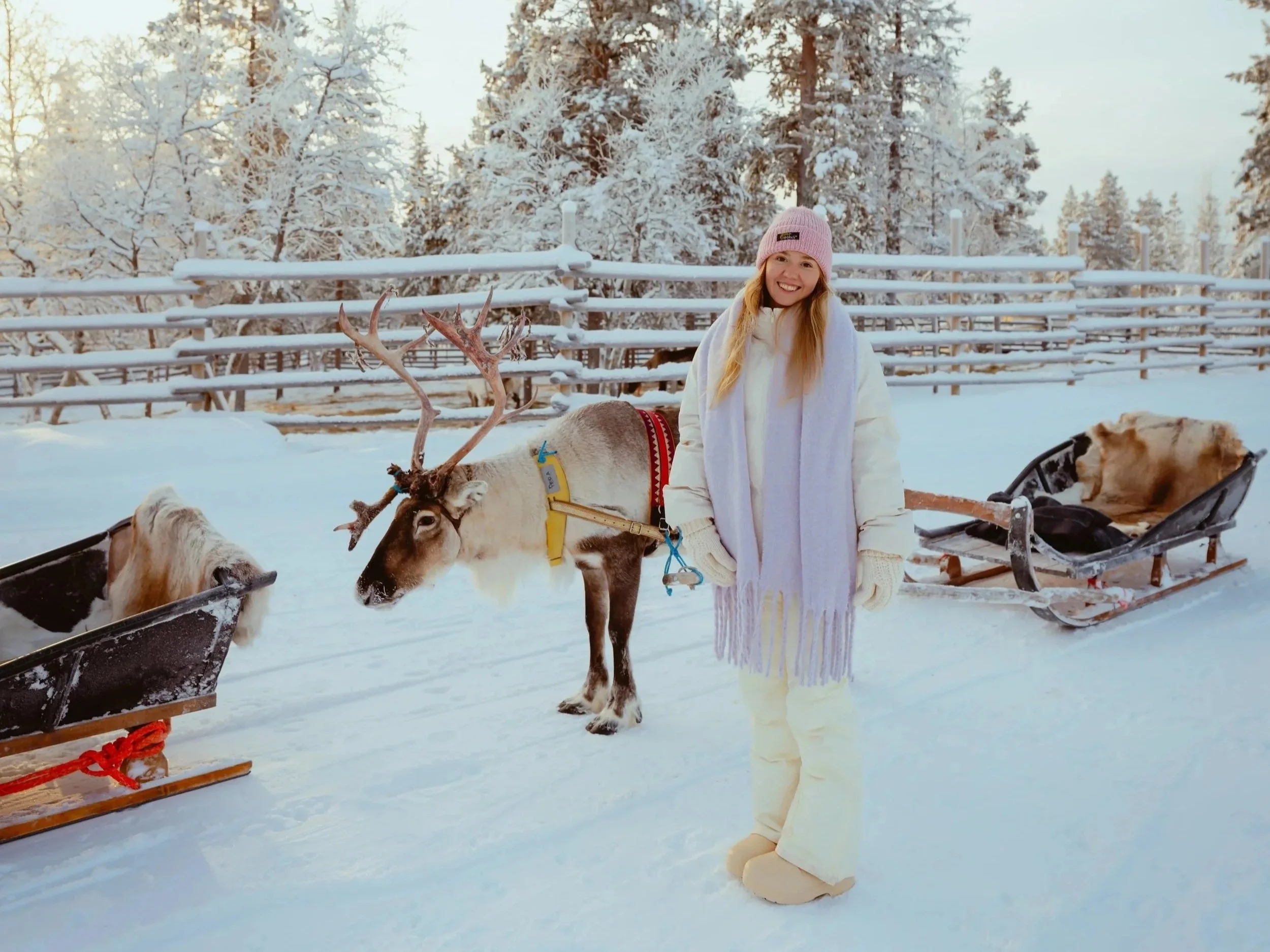
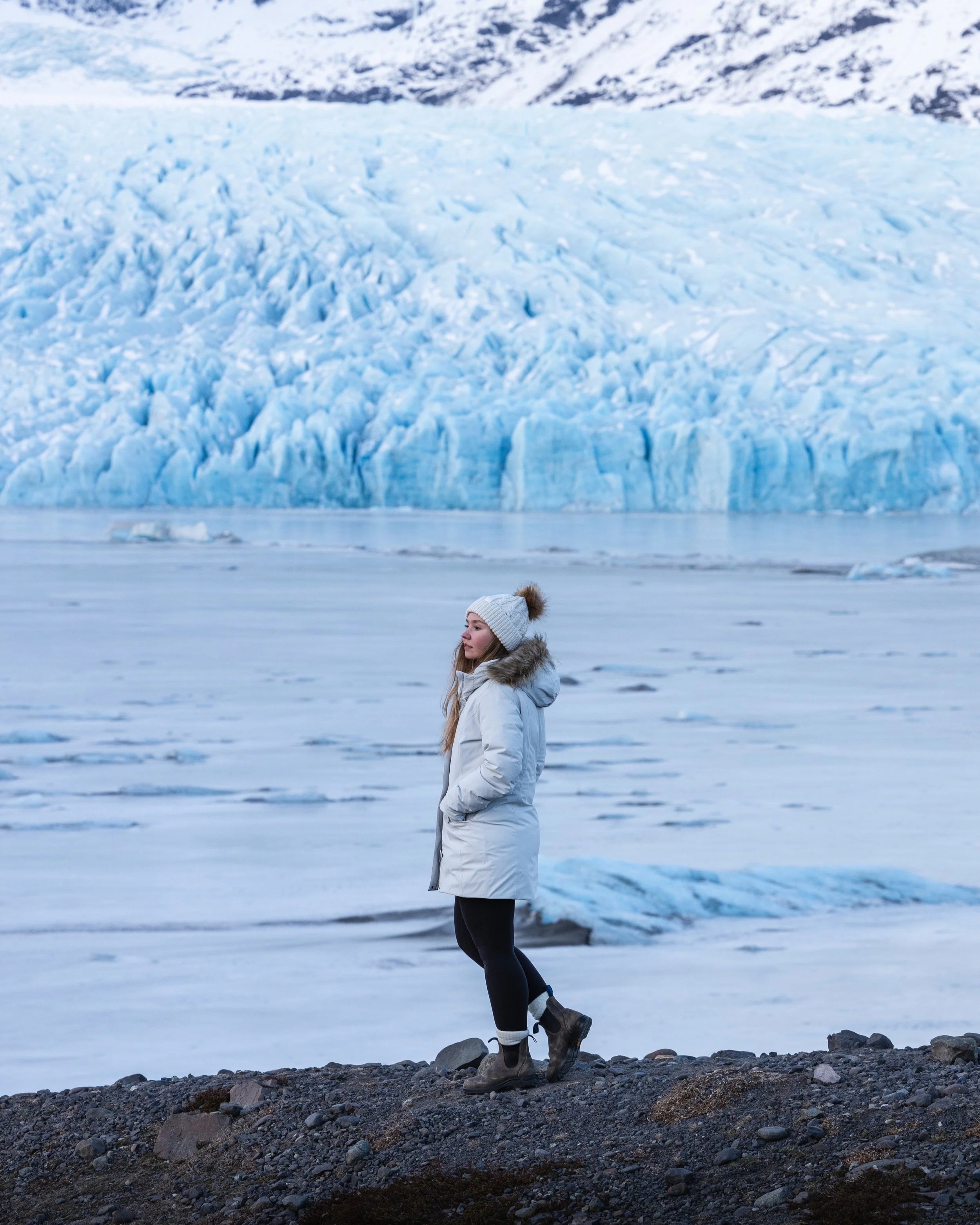
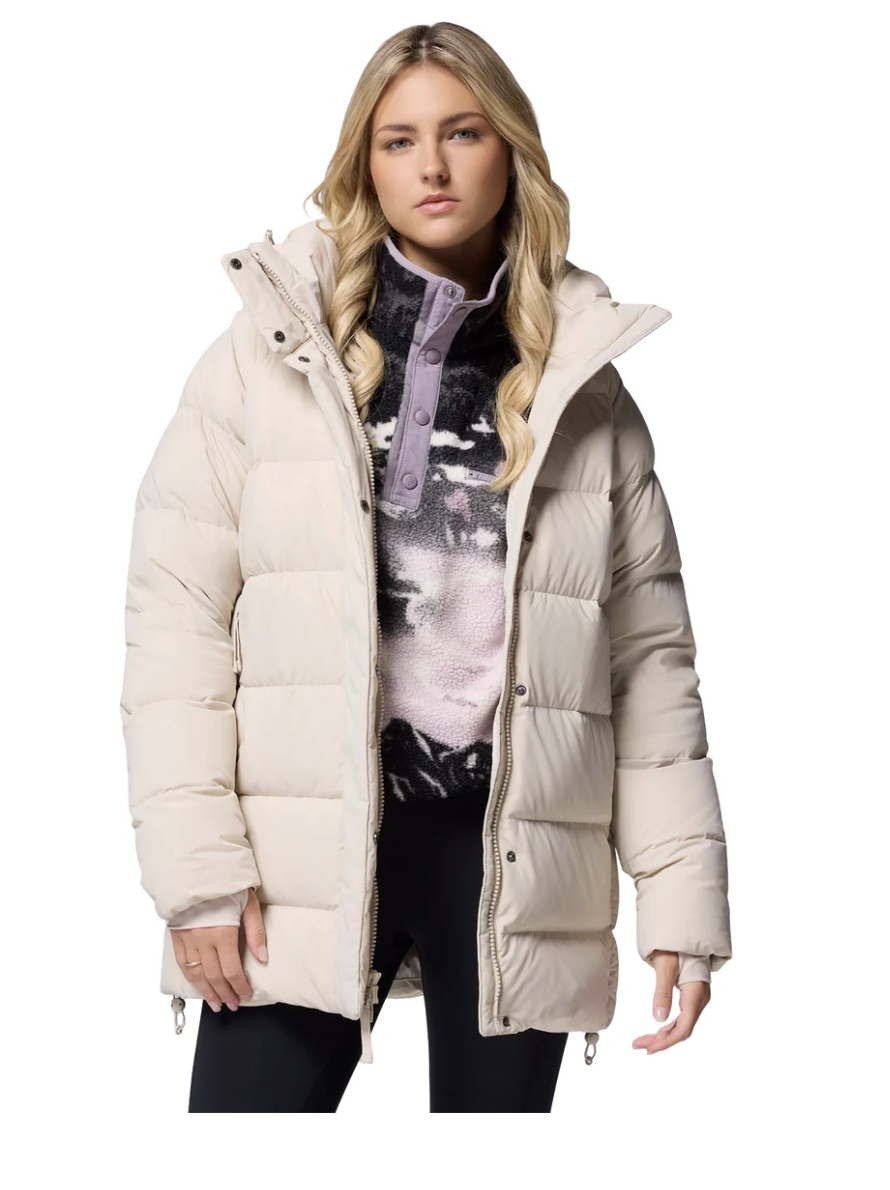
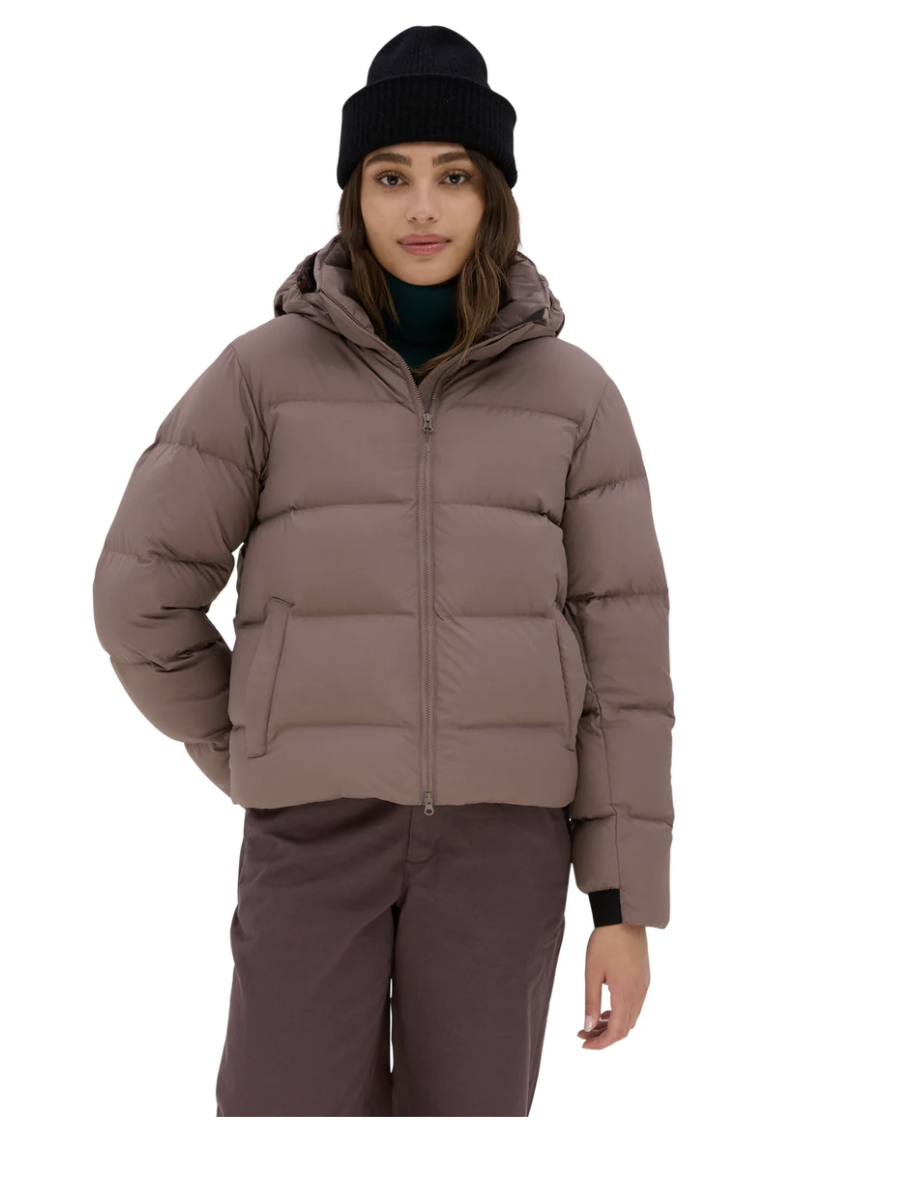
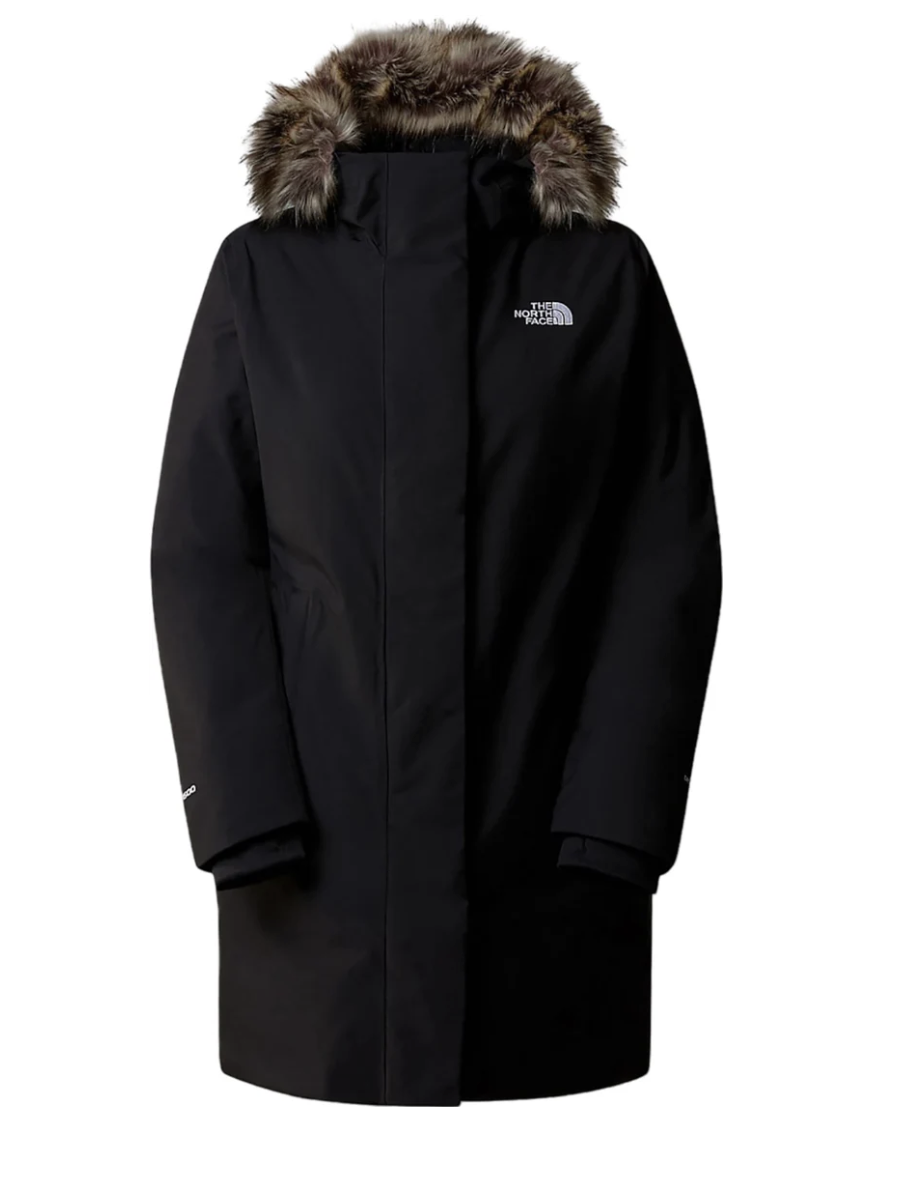
Everybody loves a big cozy parka! This will be your go to jacket for everyday casual wear while travelling in winter destinations. A parka saved me while exploring Iceland and Finland in some of the coldest temperatures I have ever experienced. I highly recommend getting a longer parka that goes to mid-thigh to keep you extra warm, but shorter parka is still nice for more casual exploring.
Rain & Wind Jackets
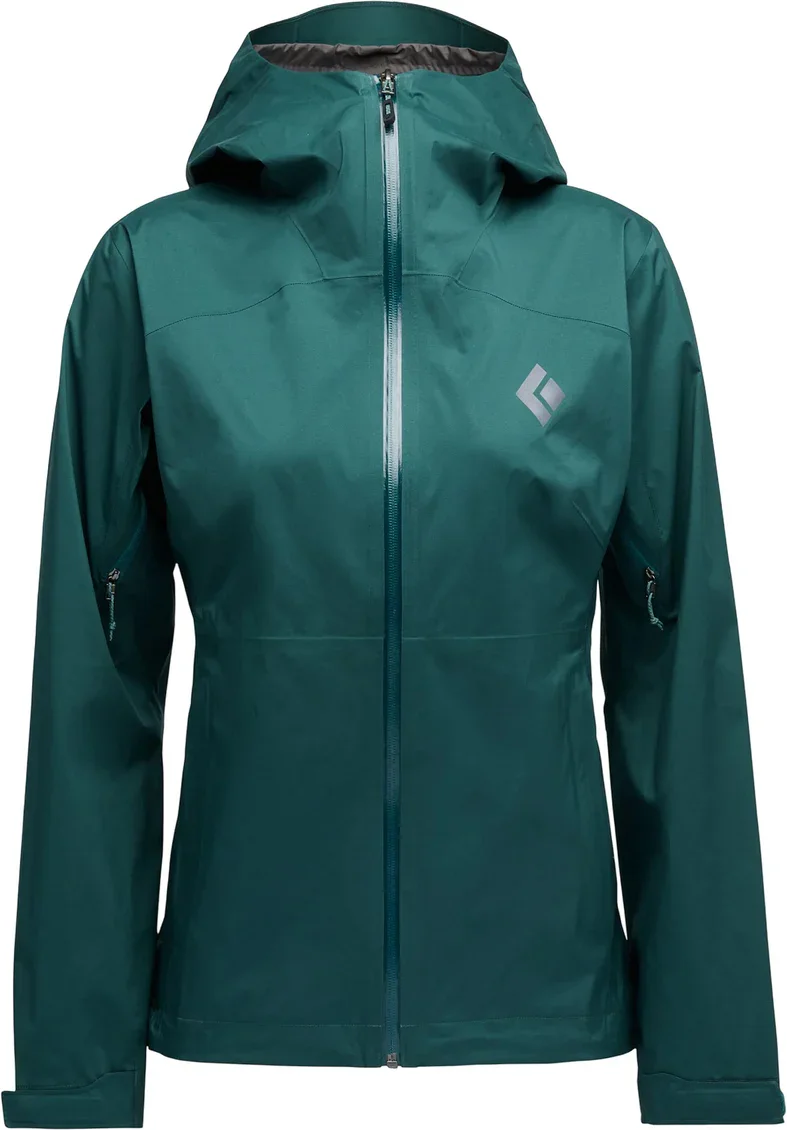
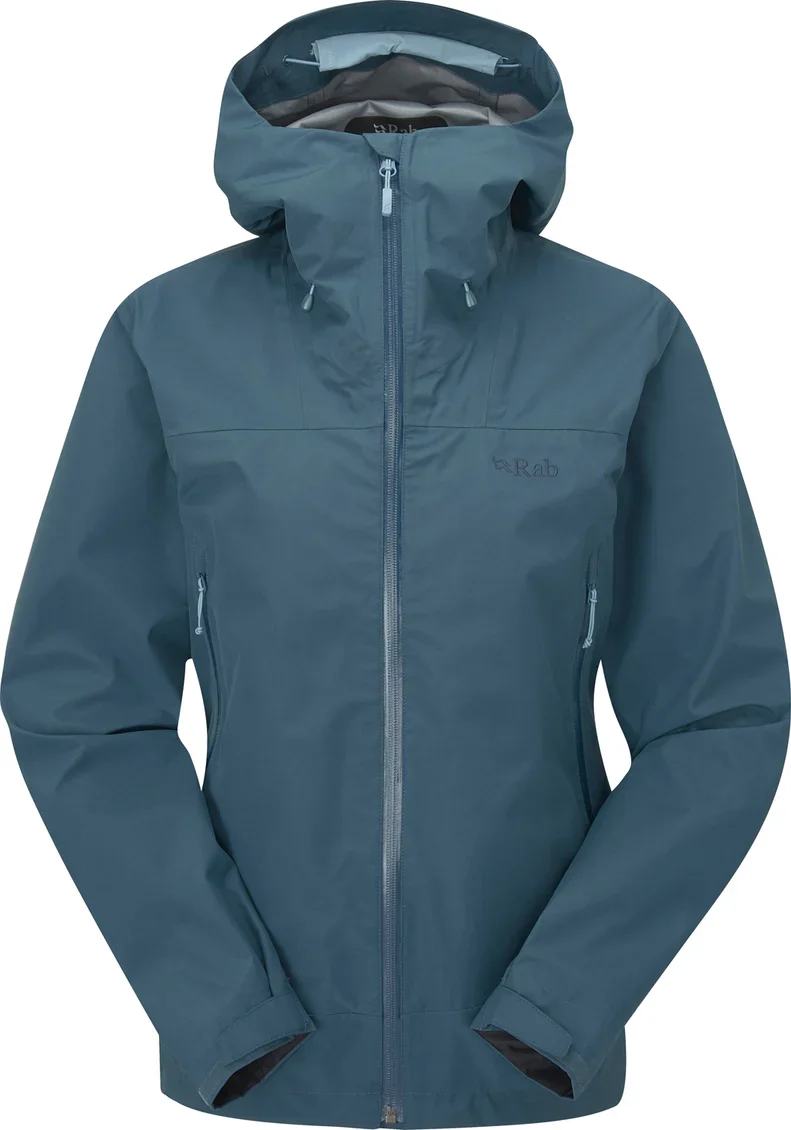
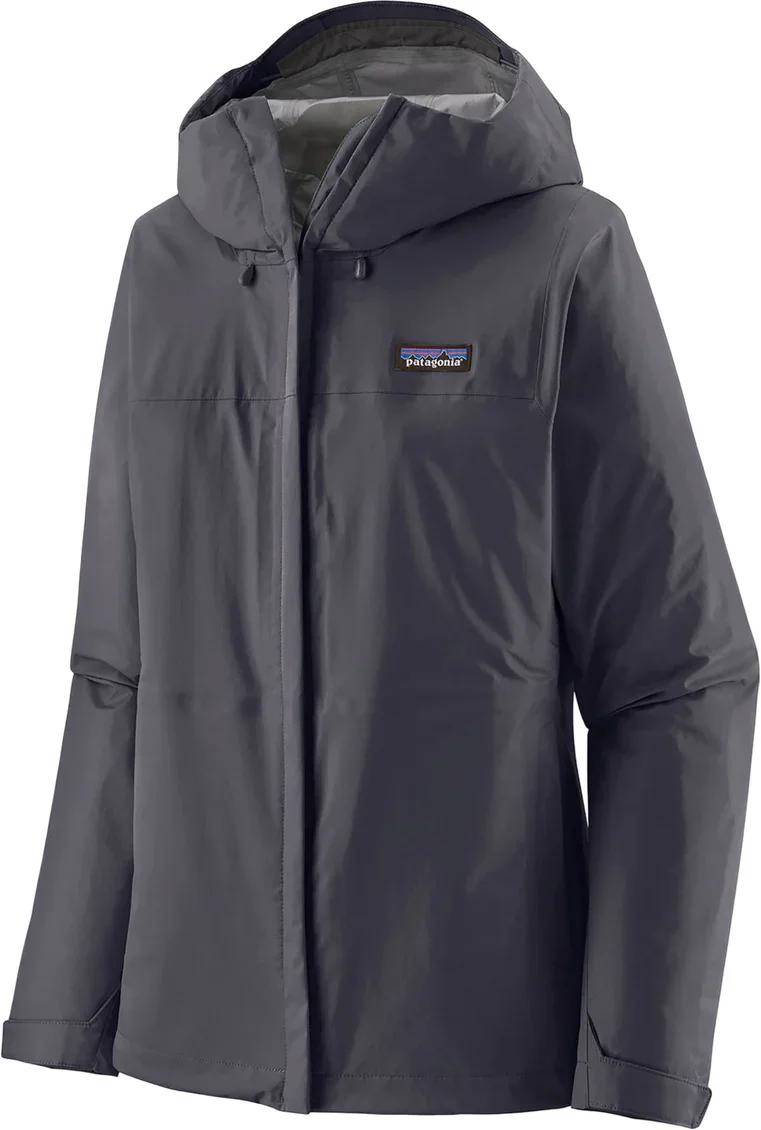
With rain, snow or heavy winds, an outer shell will always come in handy and needs to be a staple on your winter hike.
Mid layer
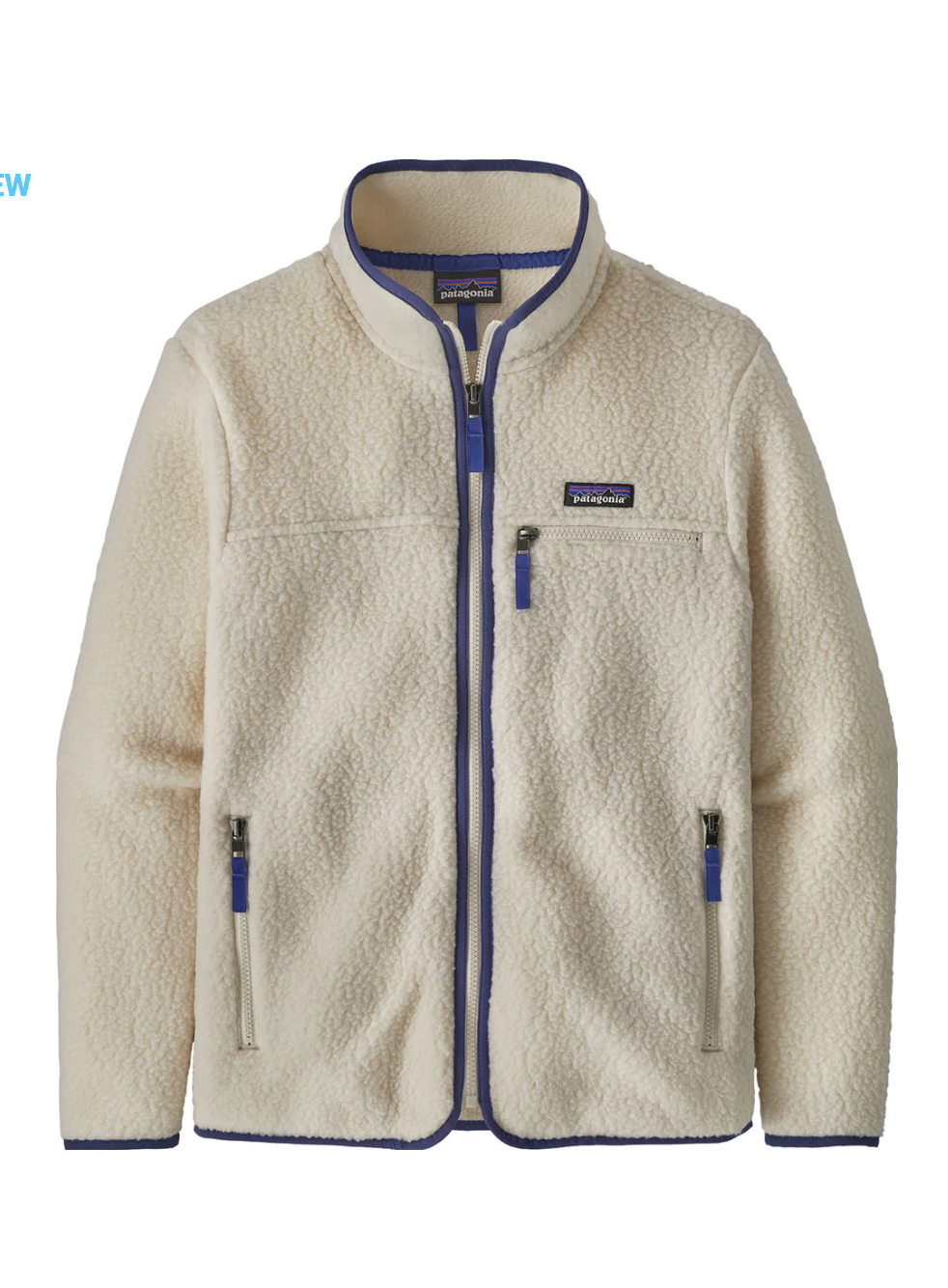
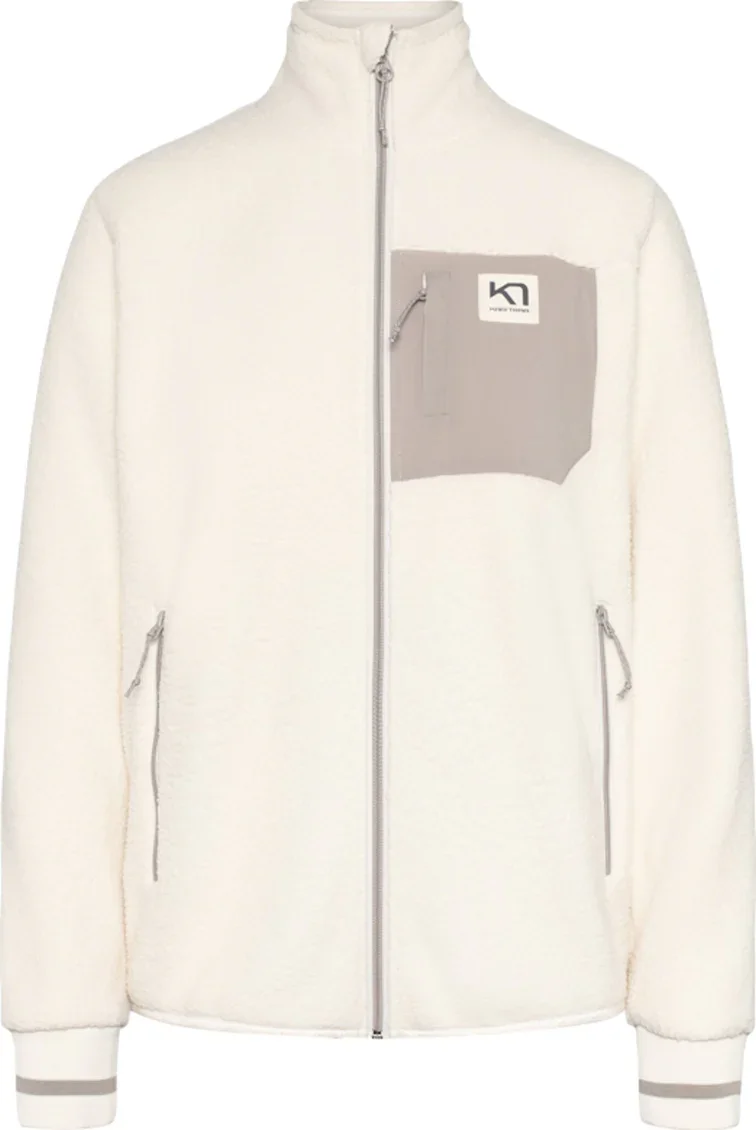
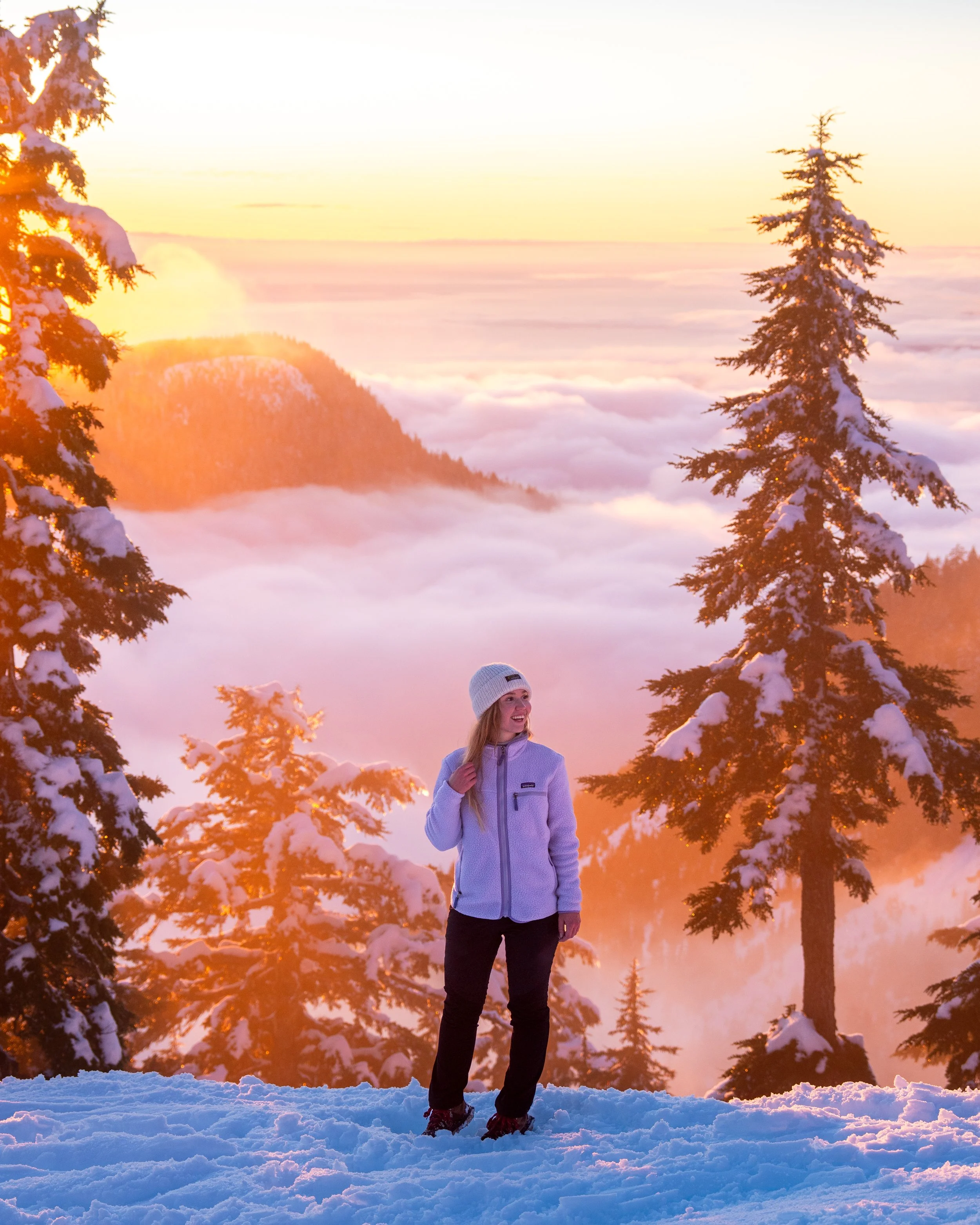
Lets be honest I think I might be obsessed with fleece sweaters! Not only do they keep me warm but they are comfy and super cute especially the bright colourful ones.
There are a few different things you might want to consider when choosing a fleece. The classic colorful and cropped fleece (see below), I typically wear casually or on shorter excursions, as they don’t fit as well underneath a packable or hiking down jacket. They fit better under a heavier down jacket or winter parka.
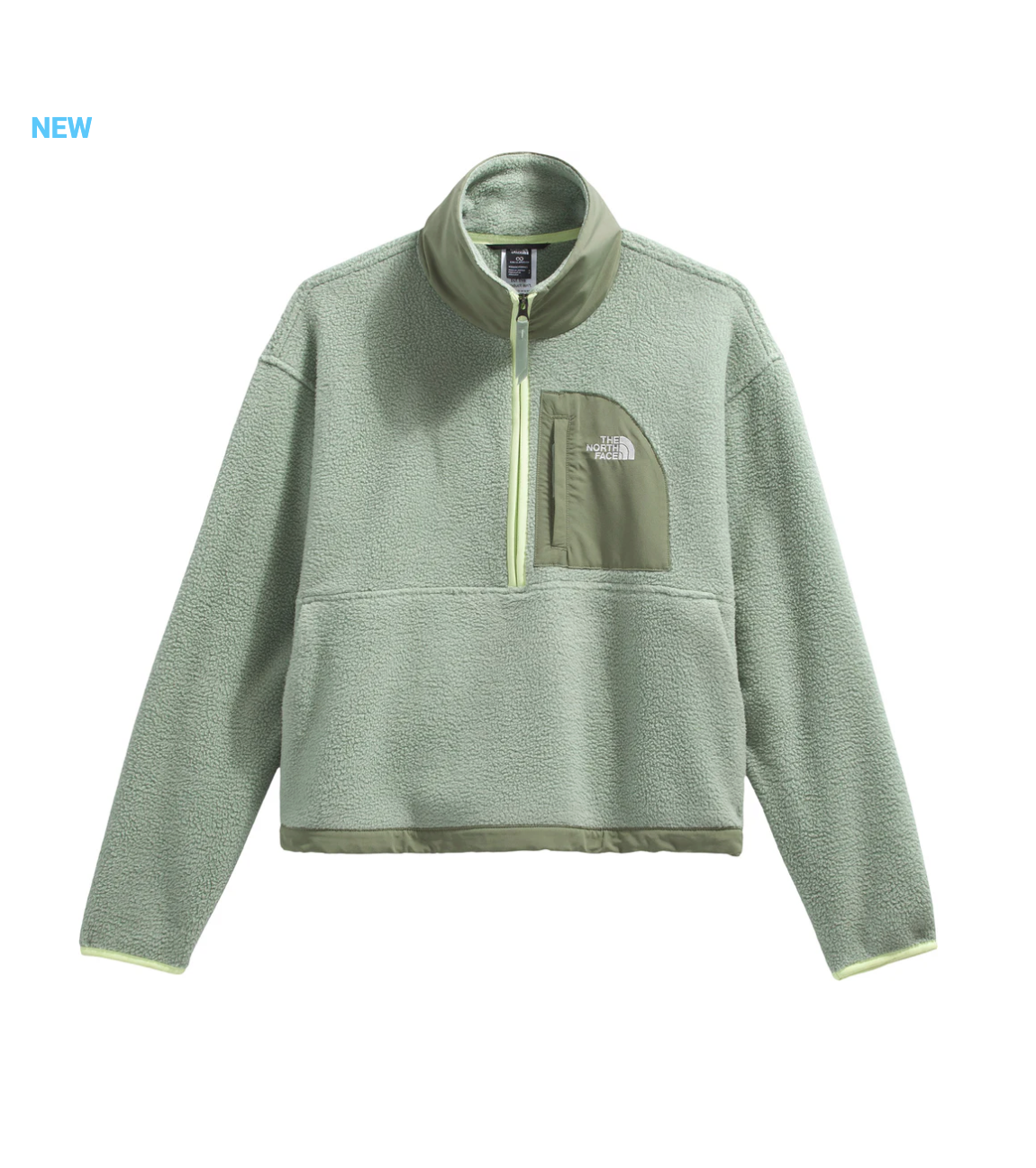
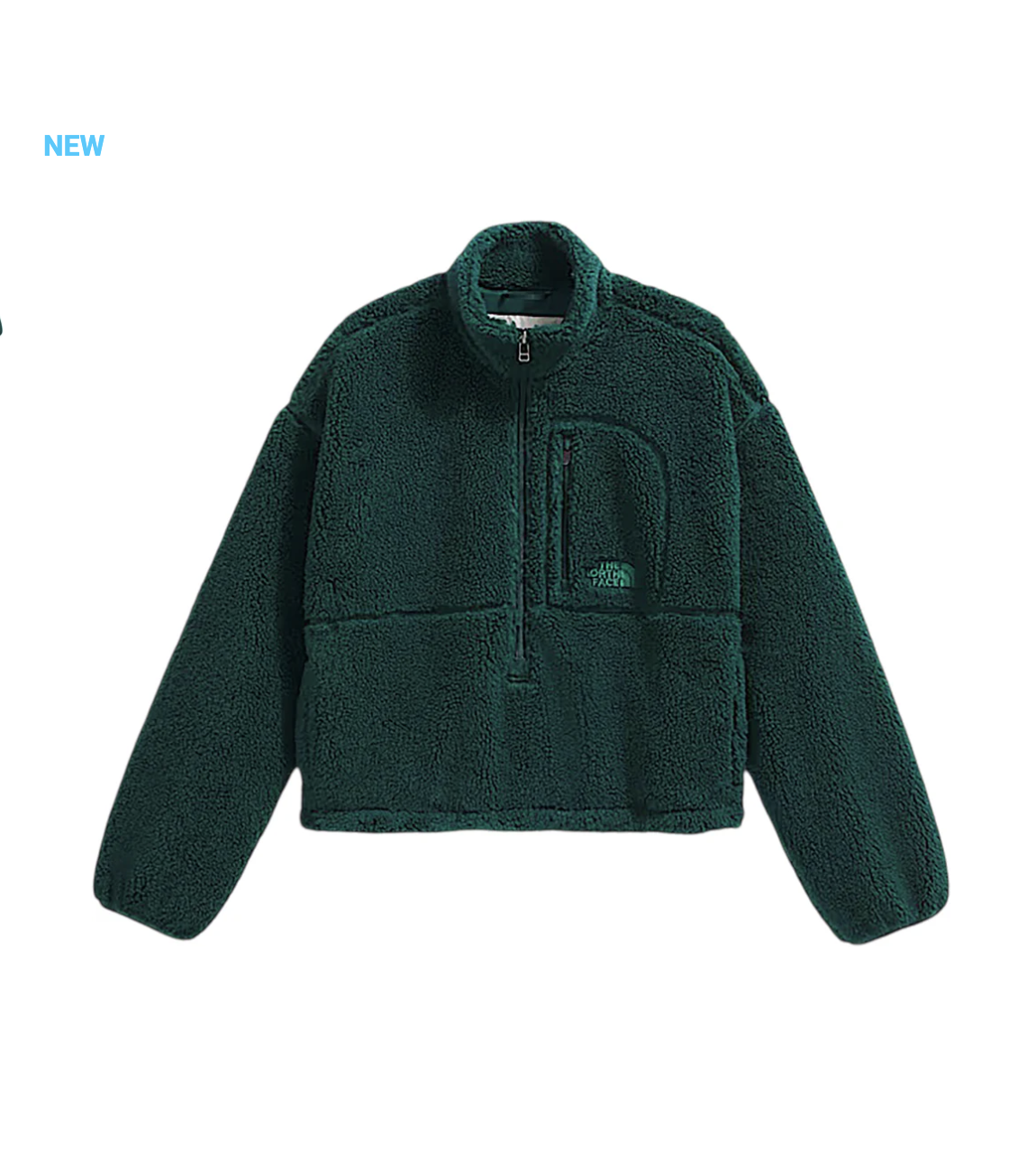
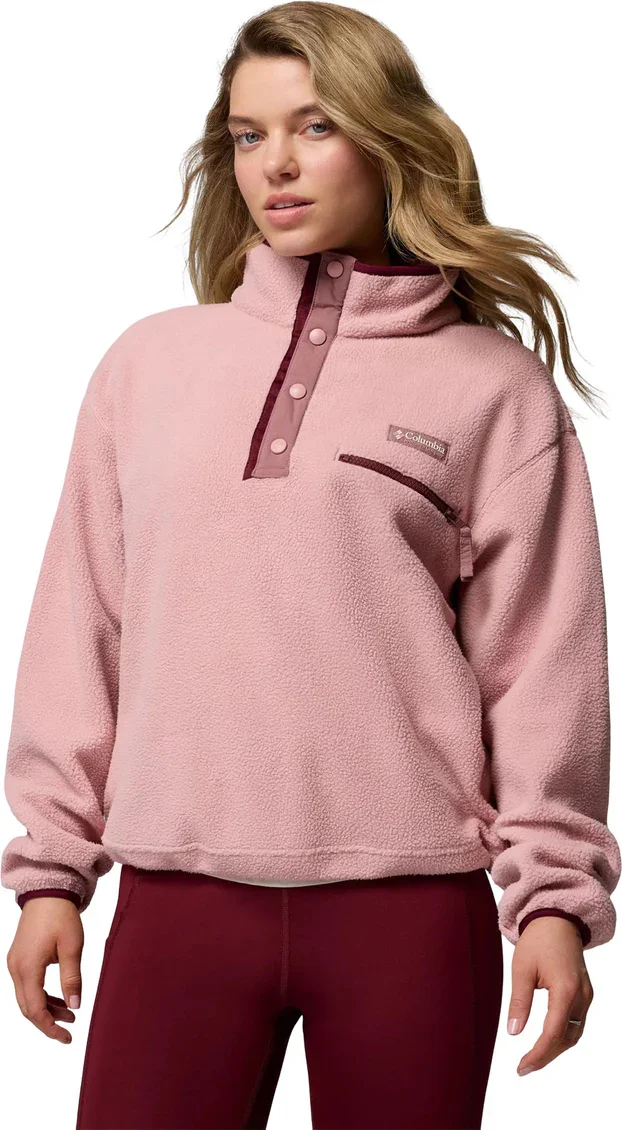
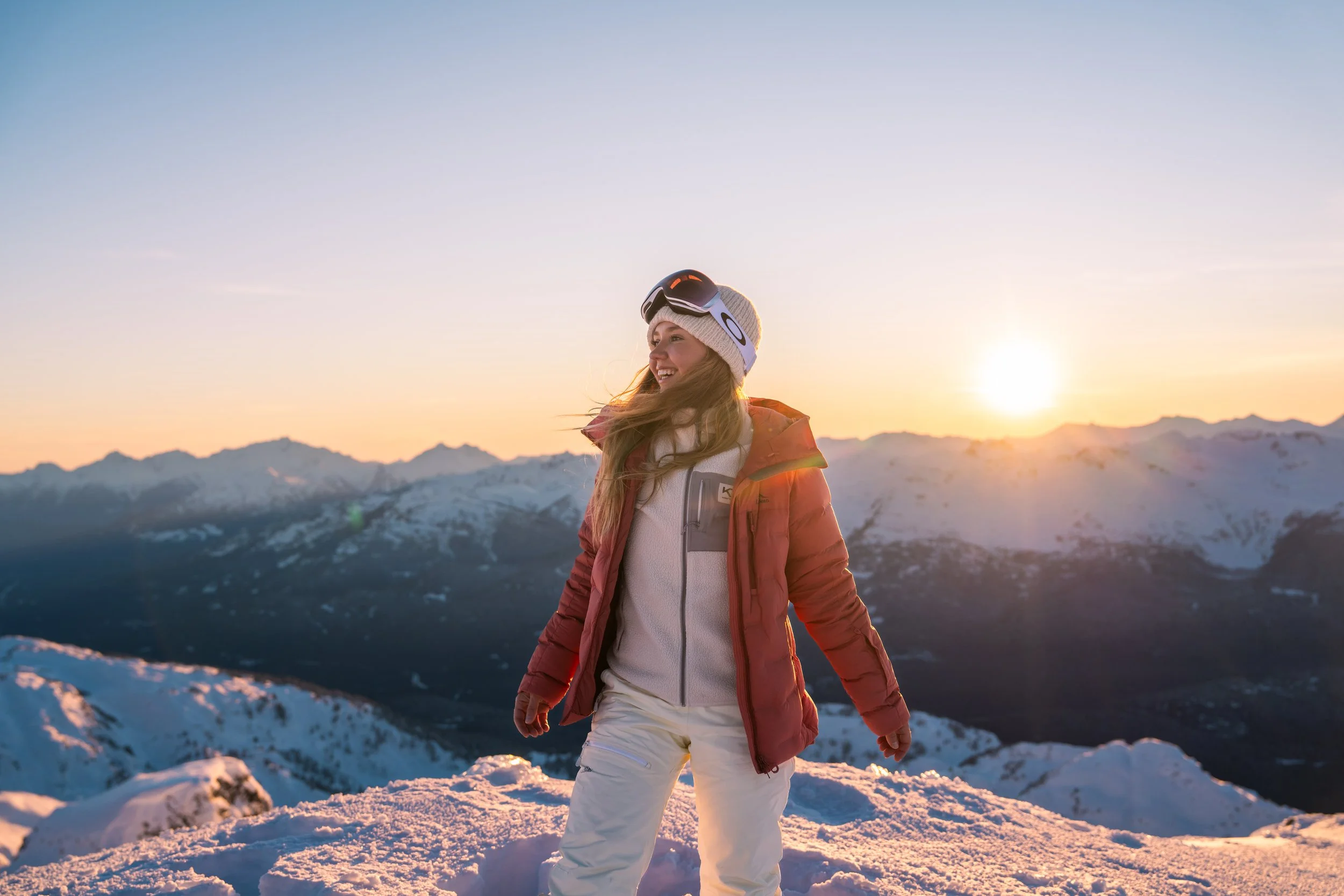
The more fitted fleece such as the Rothe Mid Layer I find easier to wear while hiking and snowboarding, as it fits well underneath all my other layers. Personally I prefer fleece without a hood, because when you have alot of layers on it just tends to get in the way.
SHOP WOMENS FLEECE
up to 35% off
Base Layers
SHOP ALL KARI TRAA
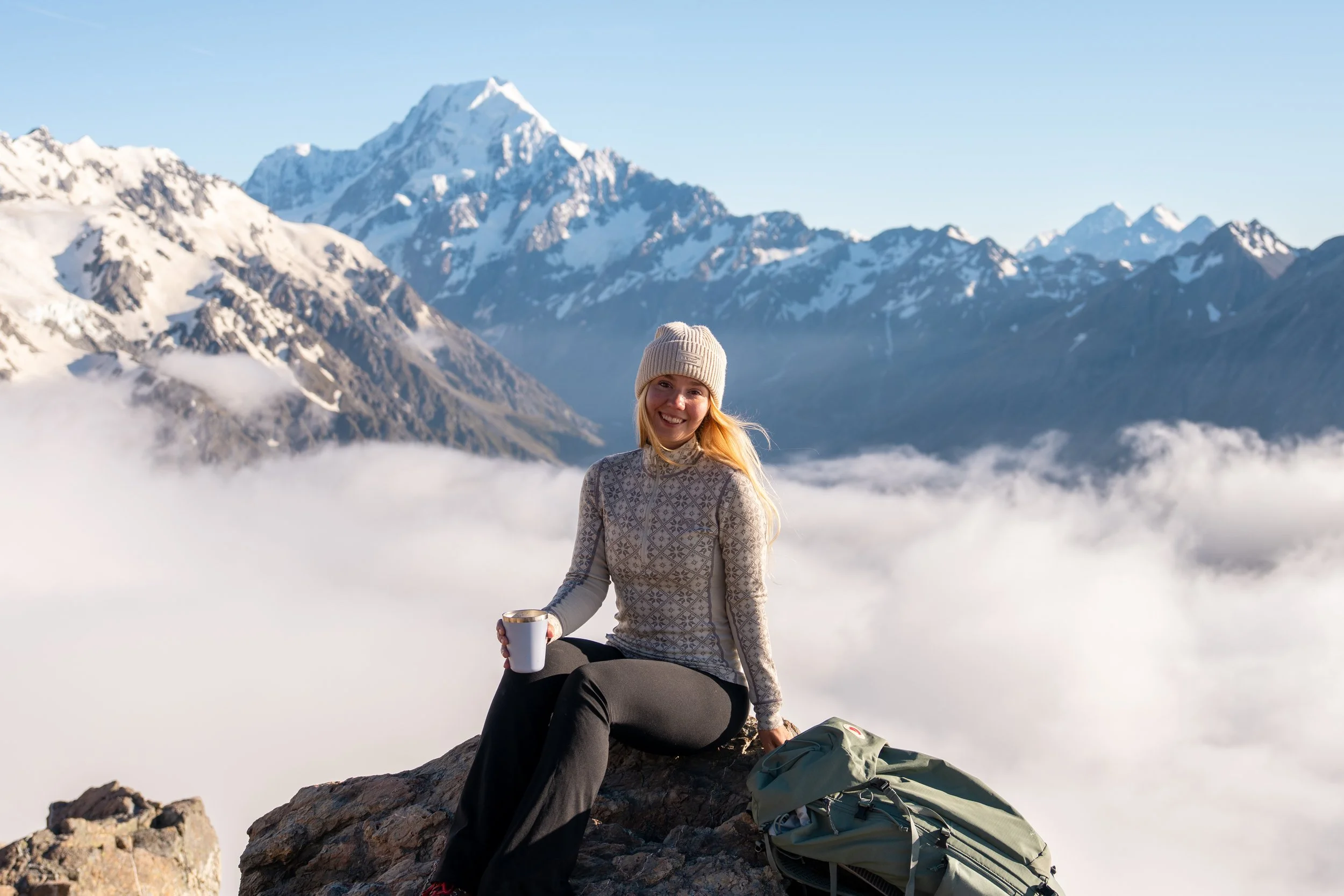
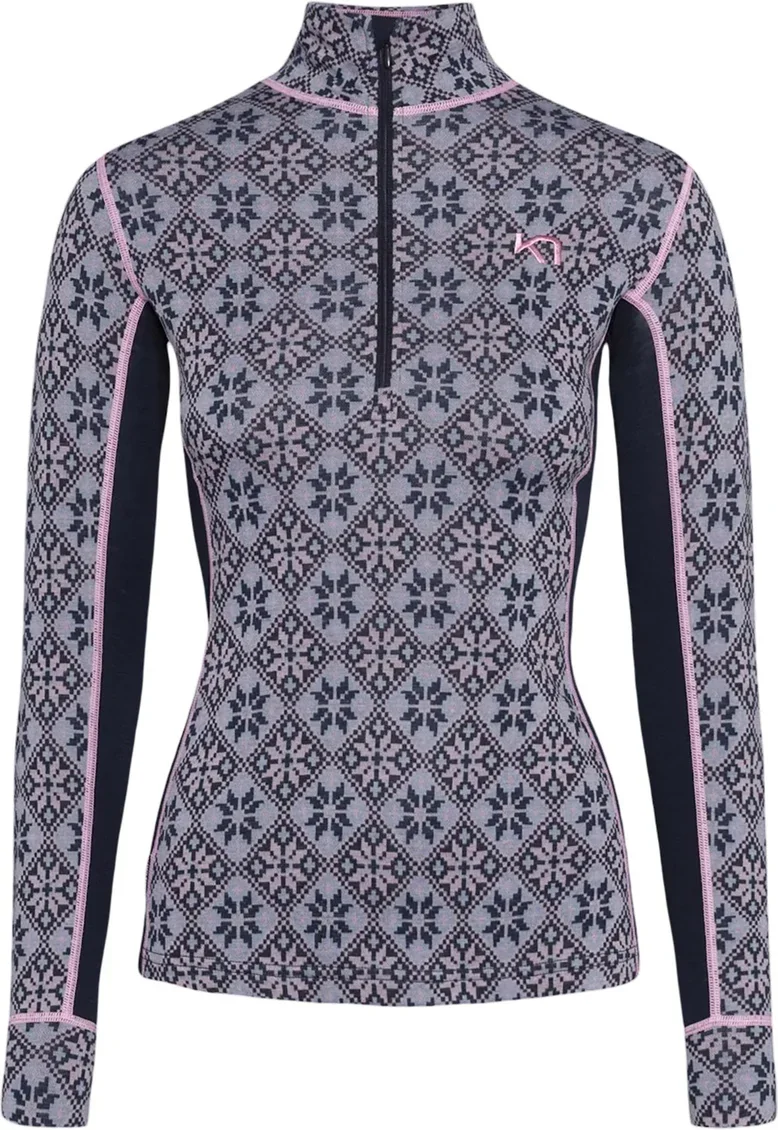
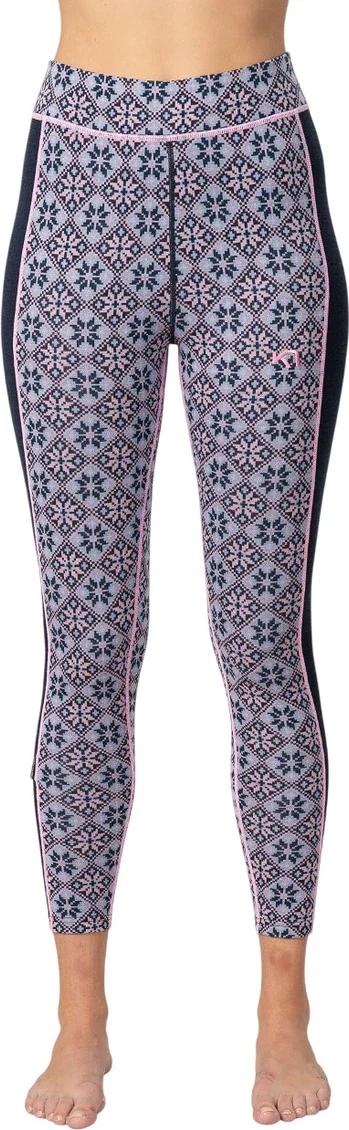
Kari Traa and Icebreaker Merino base layers are my go-to. There are a few different levels of warmth depending on where you’re hiking, and how cold you get. I have both the 260 and 200 weight; the 260 is slightly heavier and warmer for winter. I’m always cold so a dependable base layer set is my best friend during the winter months!


Bottoms
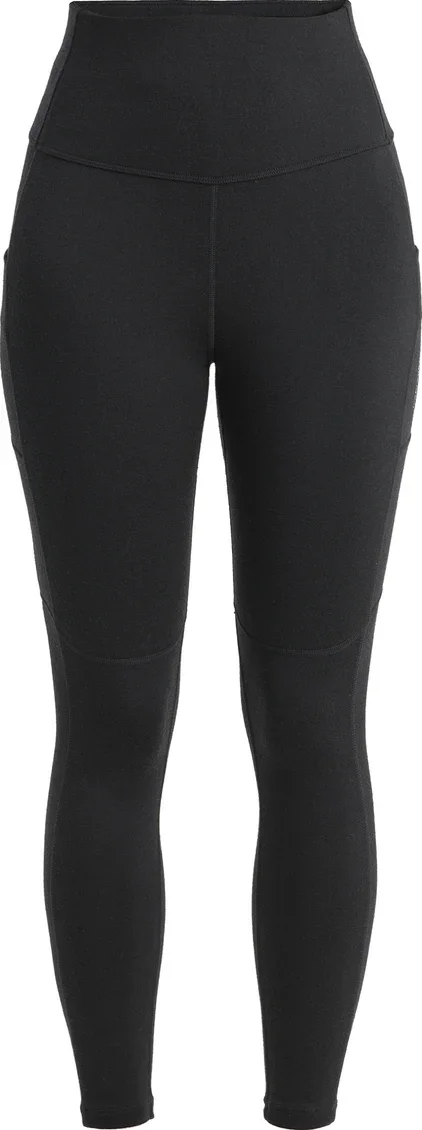
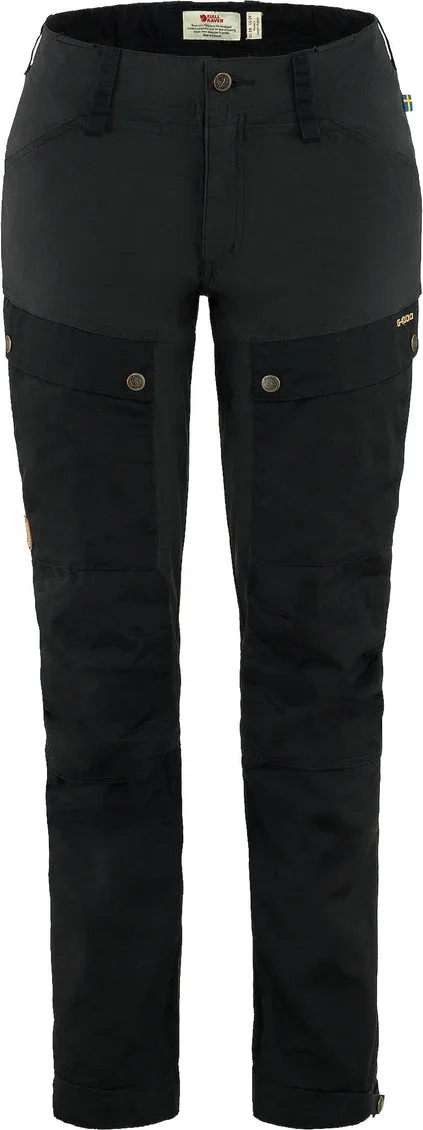
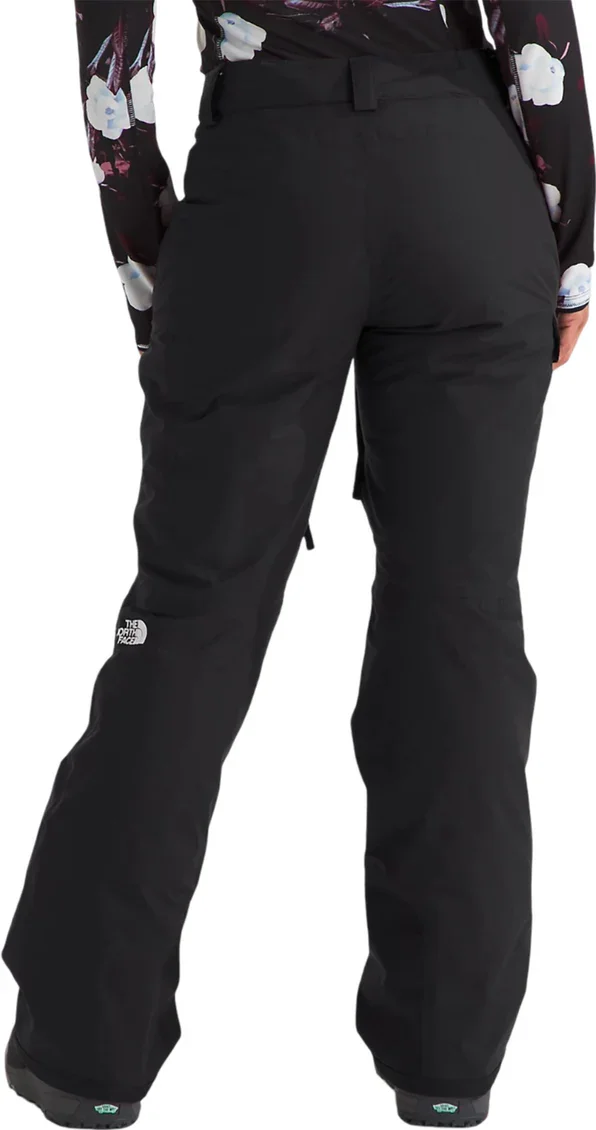
Insulated leggings, fleece-lined tights, or thermal layers under pants make a huge difference. For outdoor activities, opt for water-resistant or insulated pants. For travel days and exploring, thicker trousers or pants paired with thermal layers are both practical and comfortable.
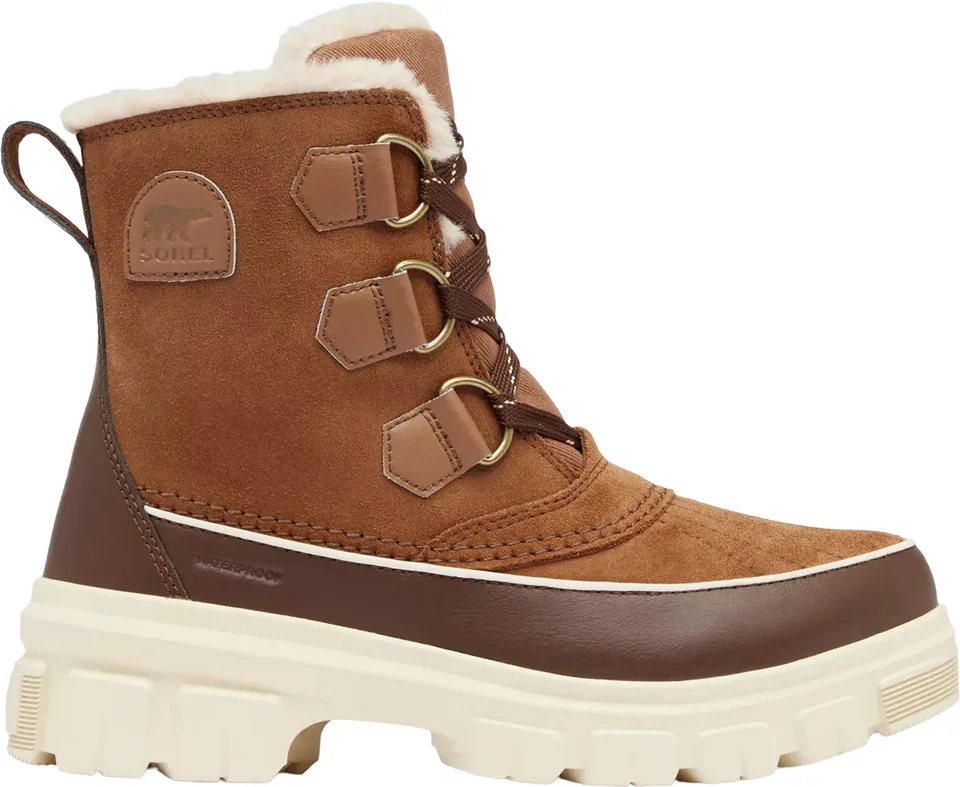
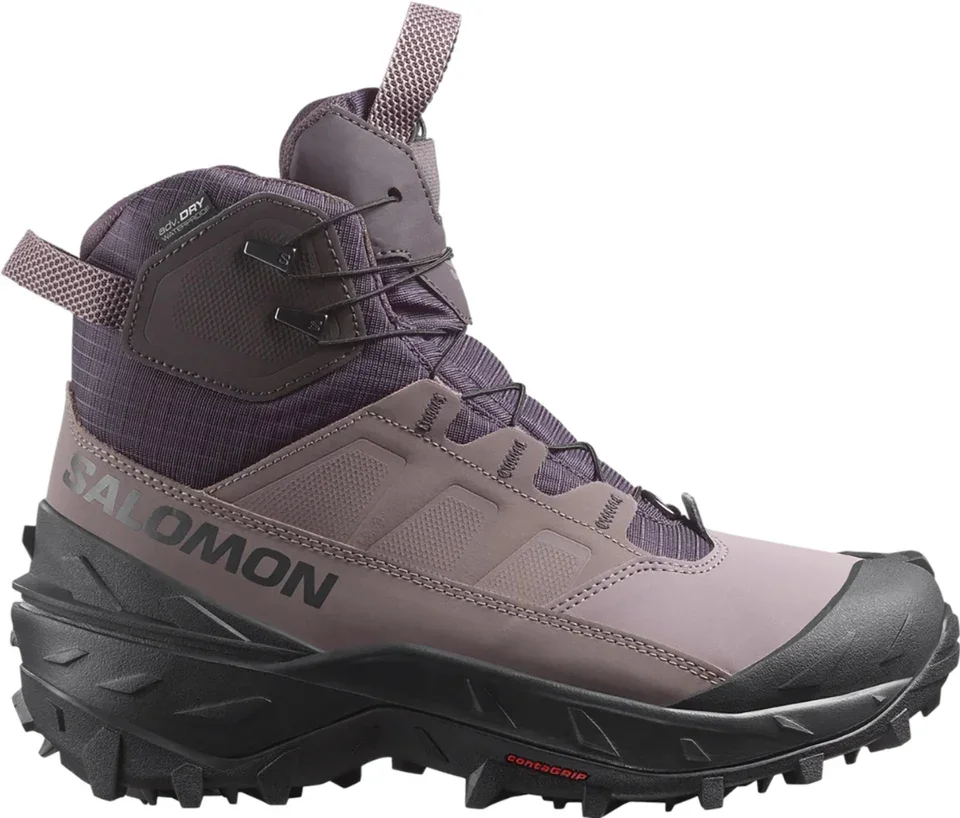
Footwear: Warm, Waterproof, and Walkable
Winter footwear should prioritize warmth, traction, and comfort. Look for:
Insulated winter boots
Waterproof or weather-resistant materials
Good grip for icy or snowy conditions
Enough room for thick socks
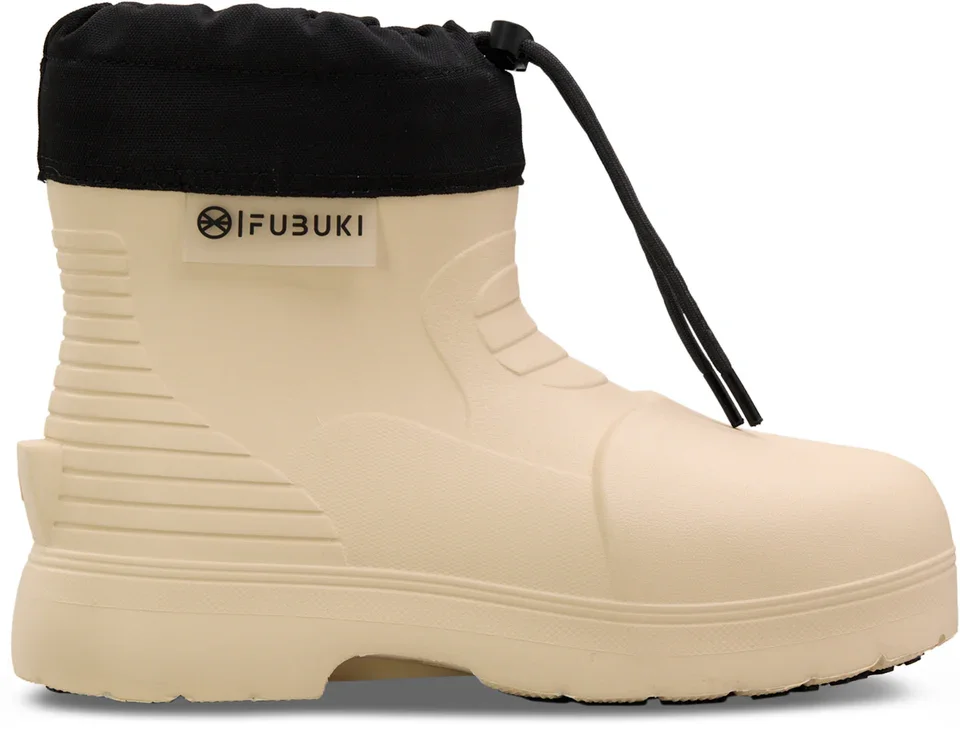
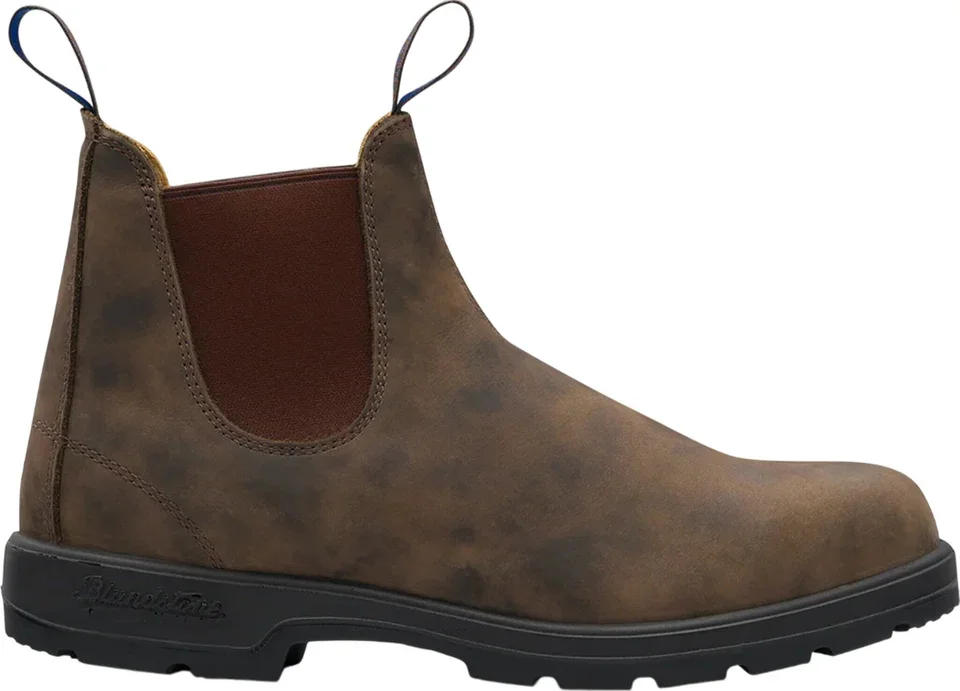
This past winter I got a pair of Fubuki’s for my trip to Finland and wore them everyday and never got cold even in -30 degrees Celsius. I cannot recommend these enough. If you’re going for a more casual look the Insulated blundstones are great for colder days.
Some thick socks and your regular hiking boots might be okay for shorter hikes but insulated hiking boots will be better for longer times spent outdoors.
Accessories That Make a Big Difference
Good accessories are often overlooked, but they’re essential in cold weather.
Hats & Beanies: A warm hat helps retain body heat.
Scarves & Neck Warmers: Protect your neck and face from wind.
Gloves or Mittens: Insulated, weather-resistant options work best.
Thermal Socks: Wool or wool-blend socks keep feet warm and dry.
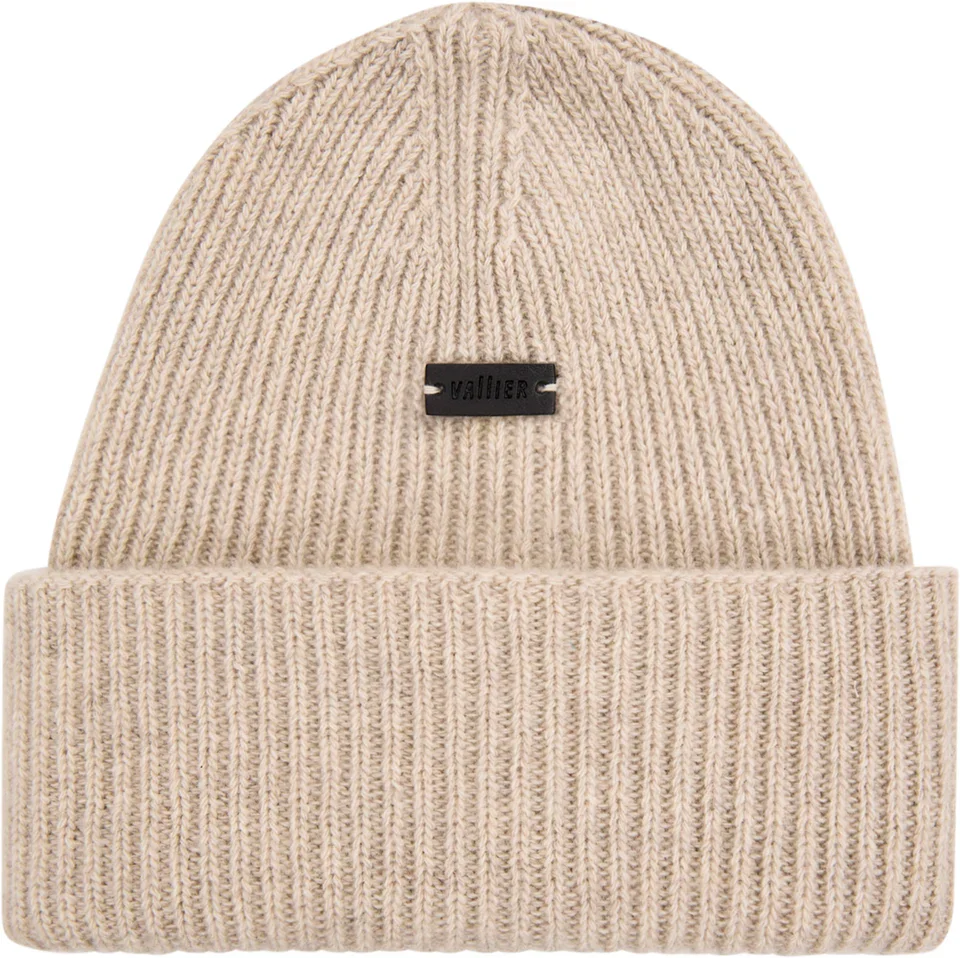
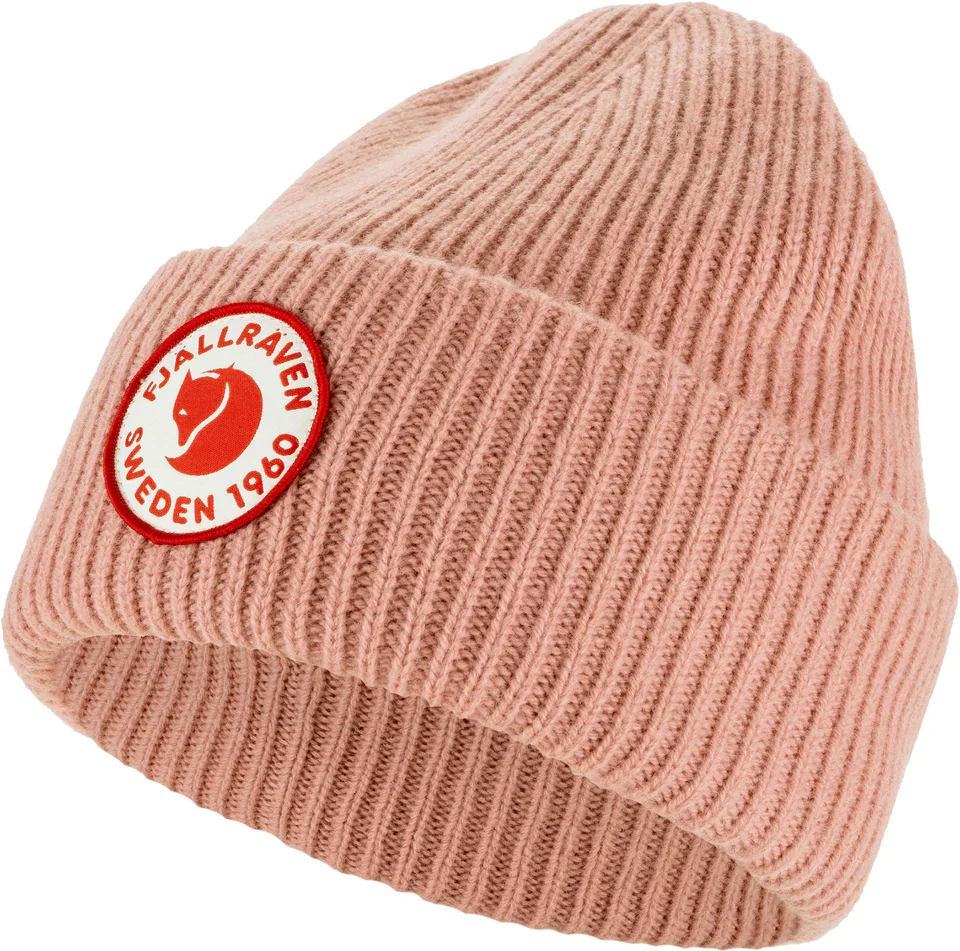
One cannot have too many beanies! I will live in a beanie throughout winter. They should be made of wool or high quality material, and stay away from cotton as it doesn’t trap heat as well.
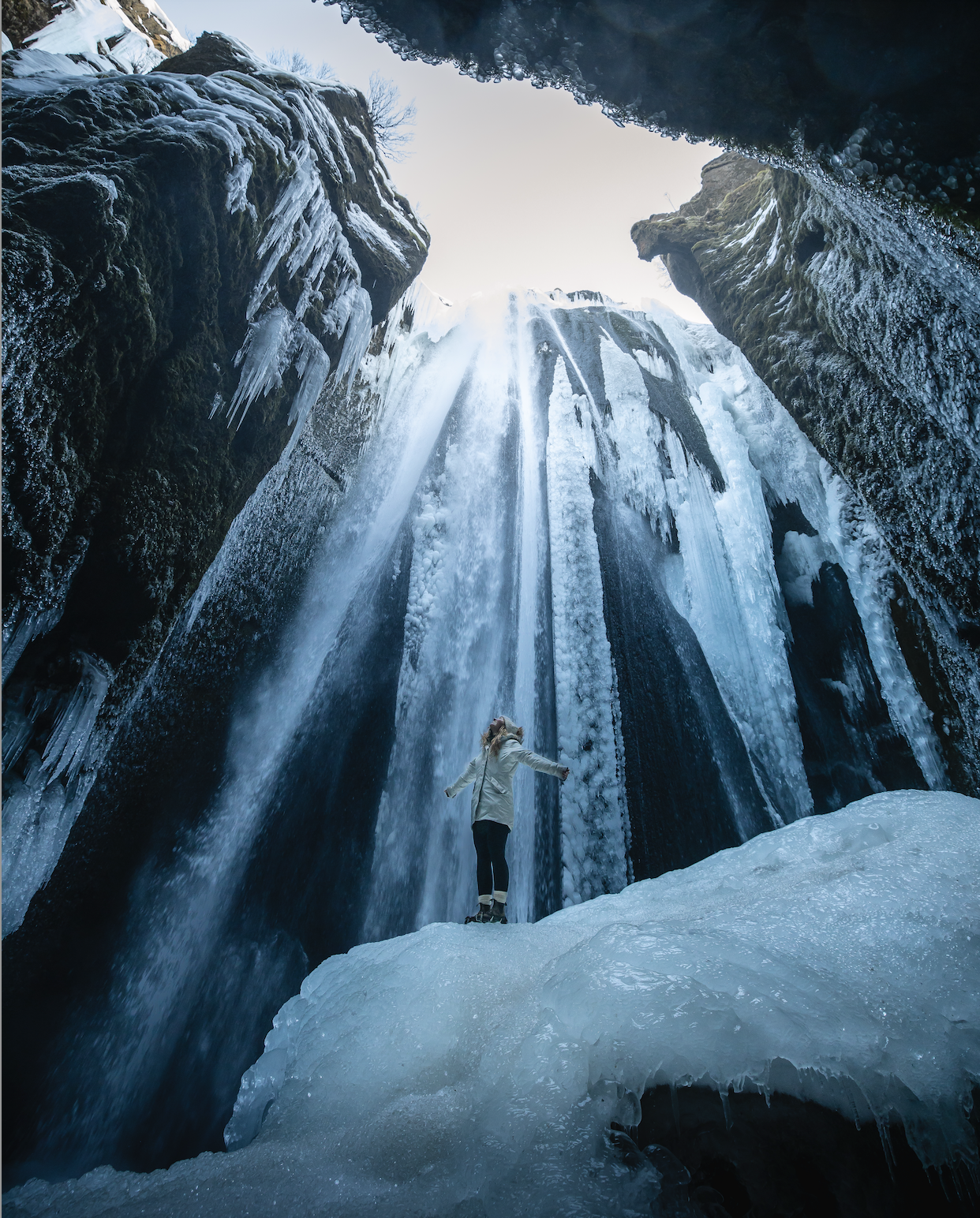
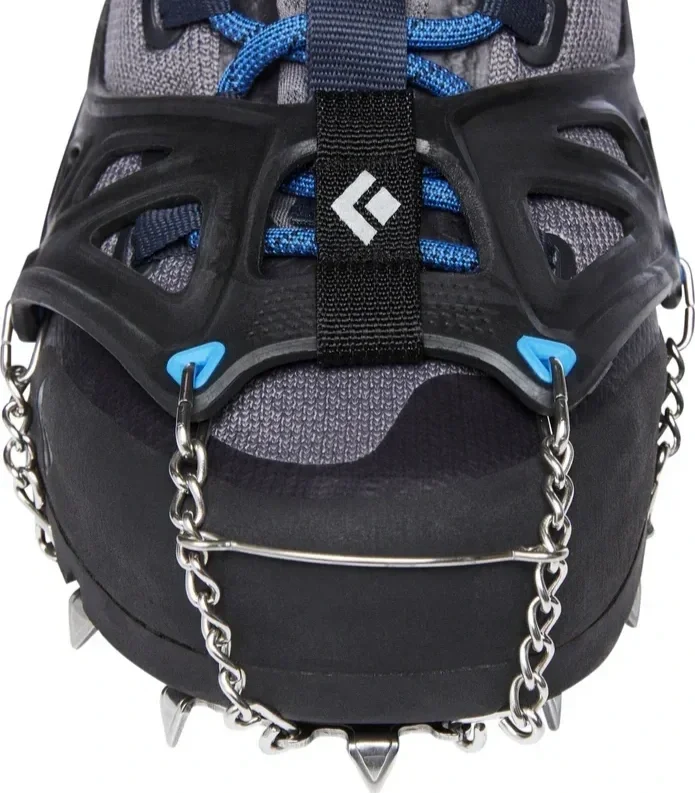
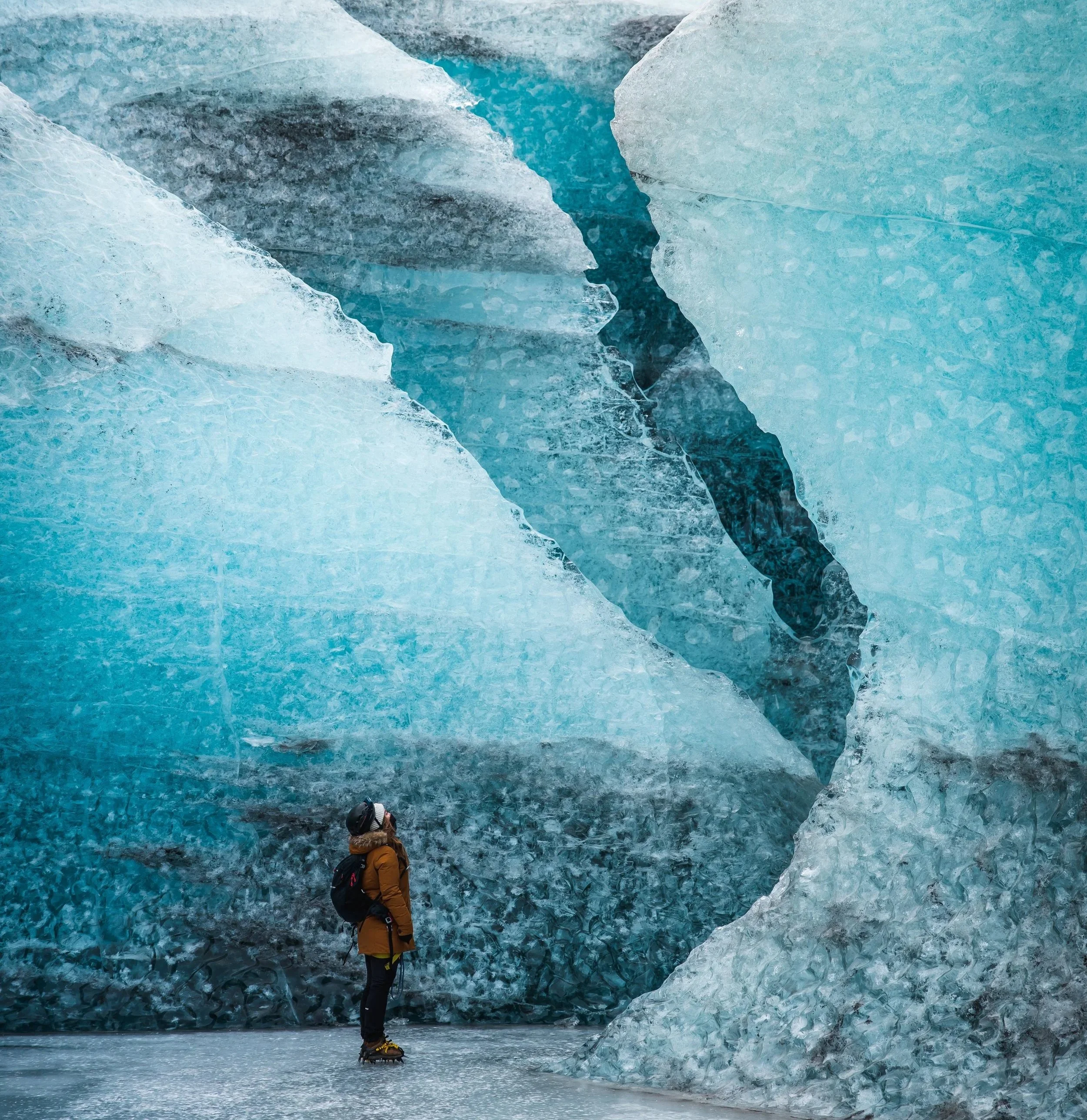
Having a good pair of micro spikes is a must on a winter trip whether you are hiking or not. There have been a few instances on a winter roadtrip where we have absolutely needed them. There was one waterfall in Iceland that was a very short walk, however the entire ground was covered in sheer ice, and many people couldn’t access it because it was too dangerous. We had no problem with our spikes!
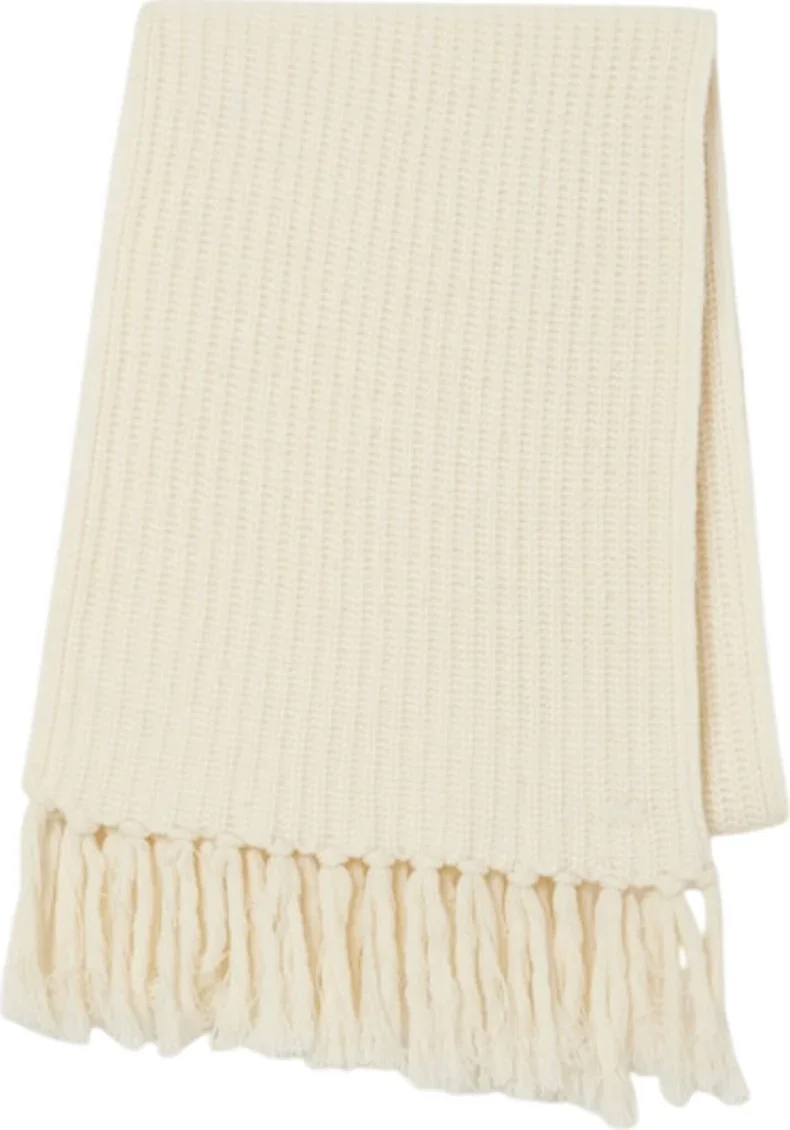
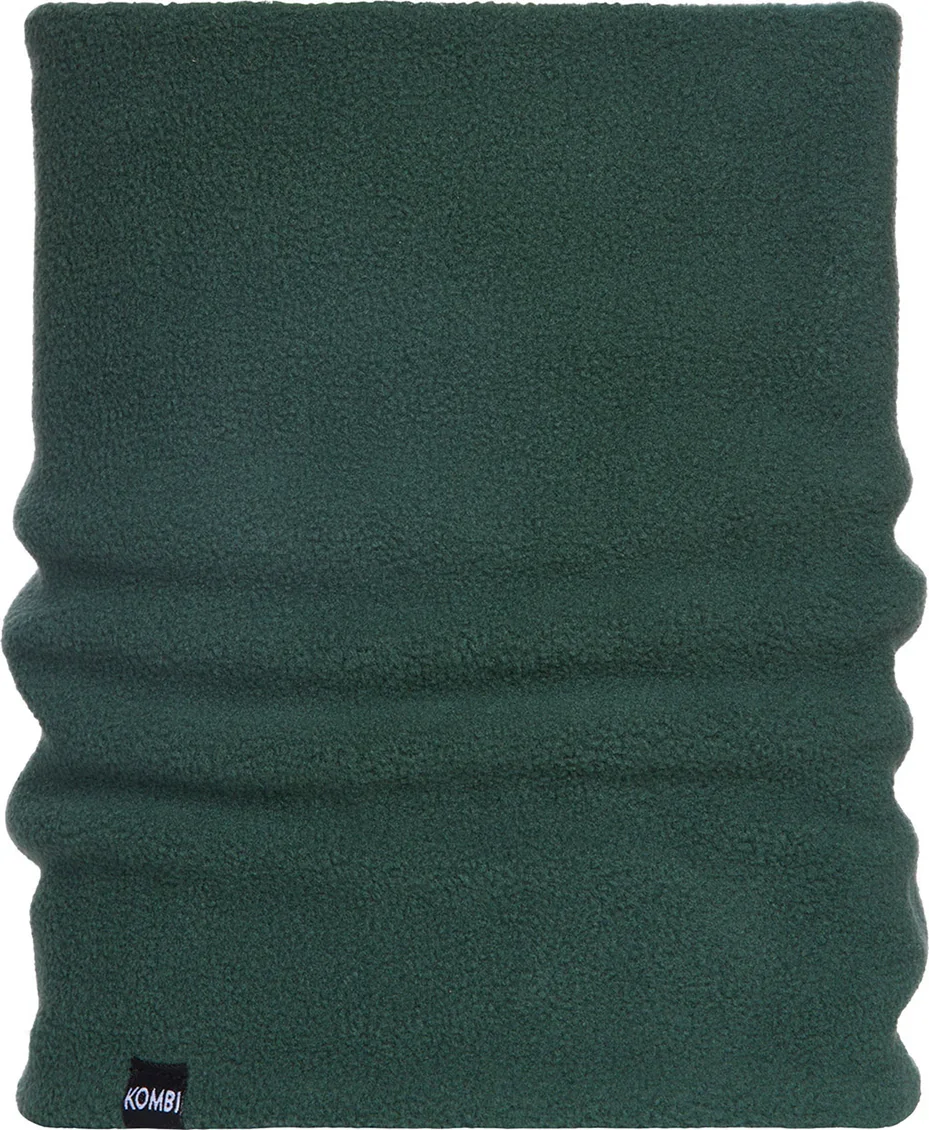
It’s always a good idea to have a cozy scarf, gloves and neck warmer. I personally love the mitten style gloves so I can curl my fingers inside and sometimes I put hand warmers inside for extra warmth.
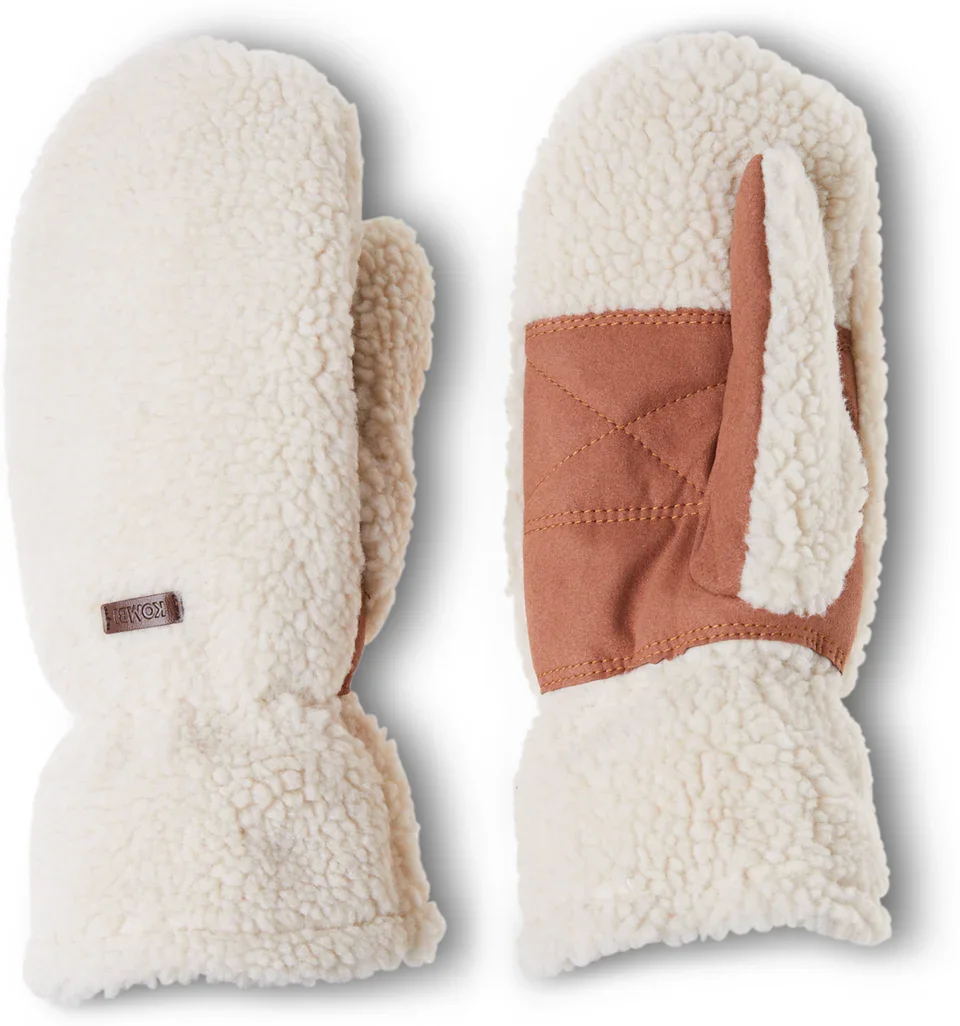
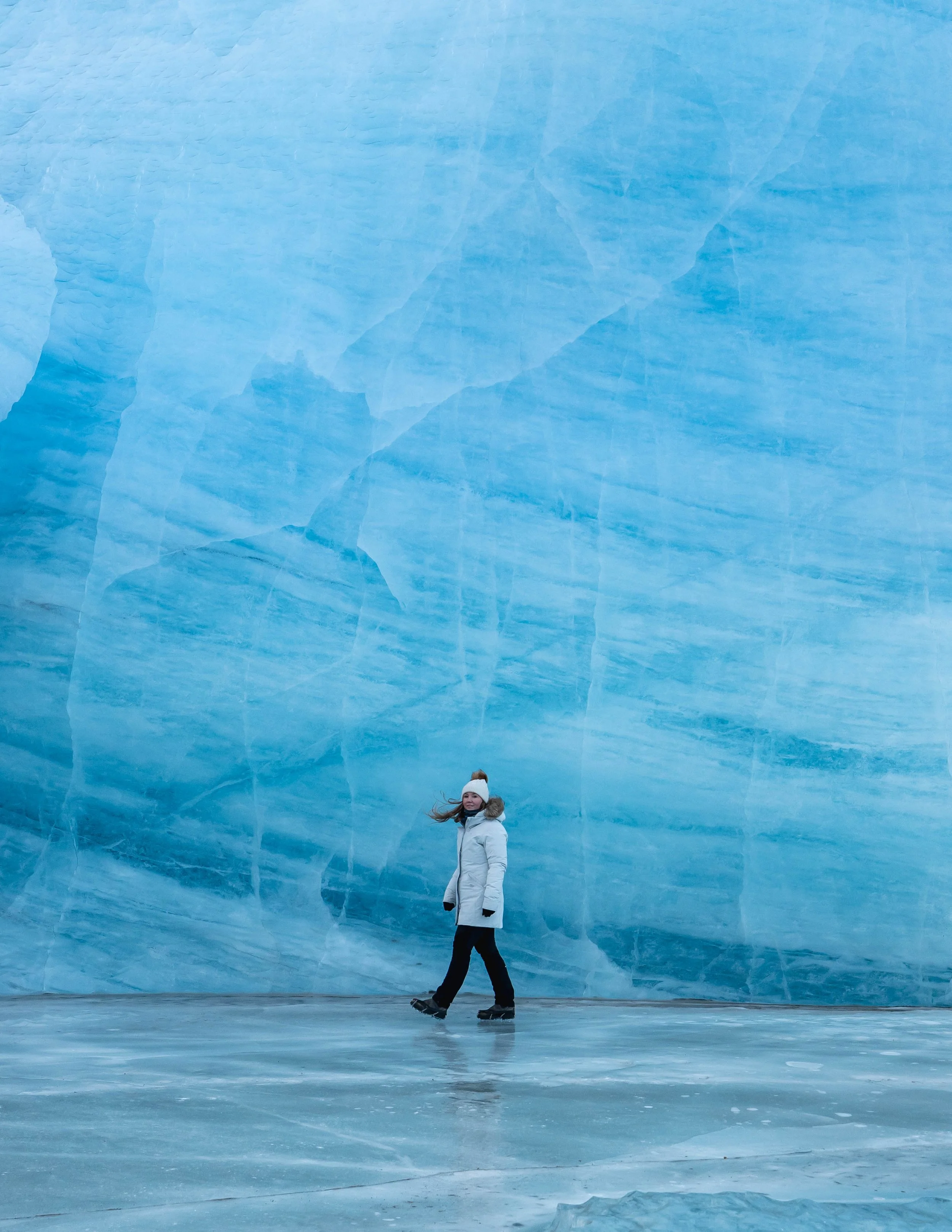
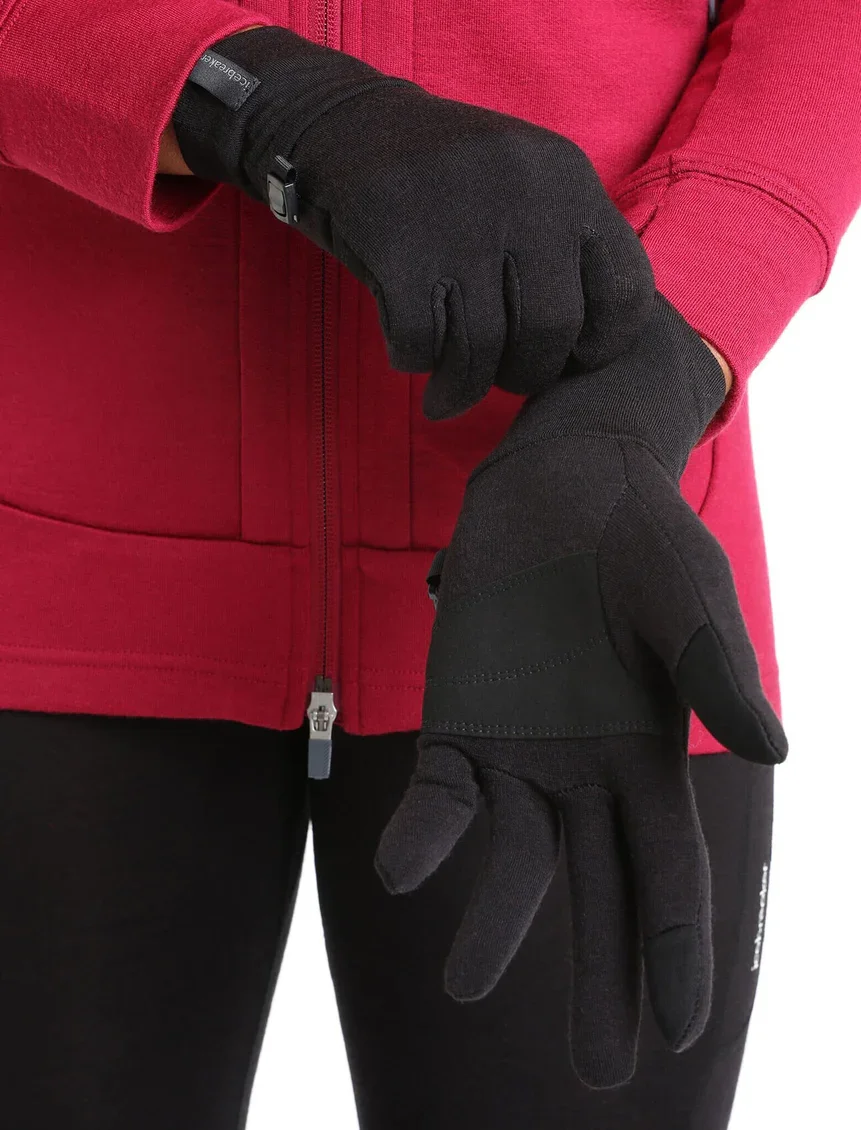
One of the best ways to keep warm is making sure your hands, wrists, feet and ankles are warm. If you get cold easily like me then I would recommend investing in high quality gloves and socks. I love the Icebreaker Merino Wool Gloves for hiking because they are very warm for how small and thin they are. I like having gloves that are thin enough to be able to do things like zipping up a jacket, taking a photo, and using the touch screen on a device.
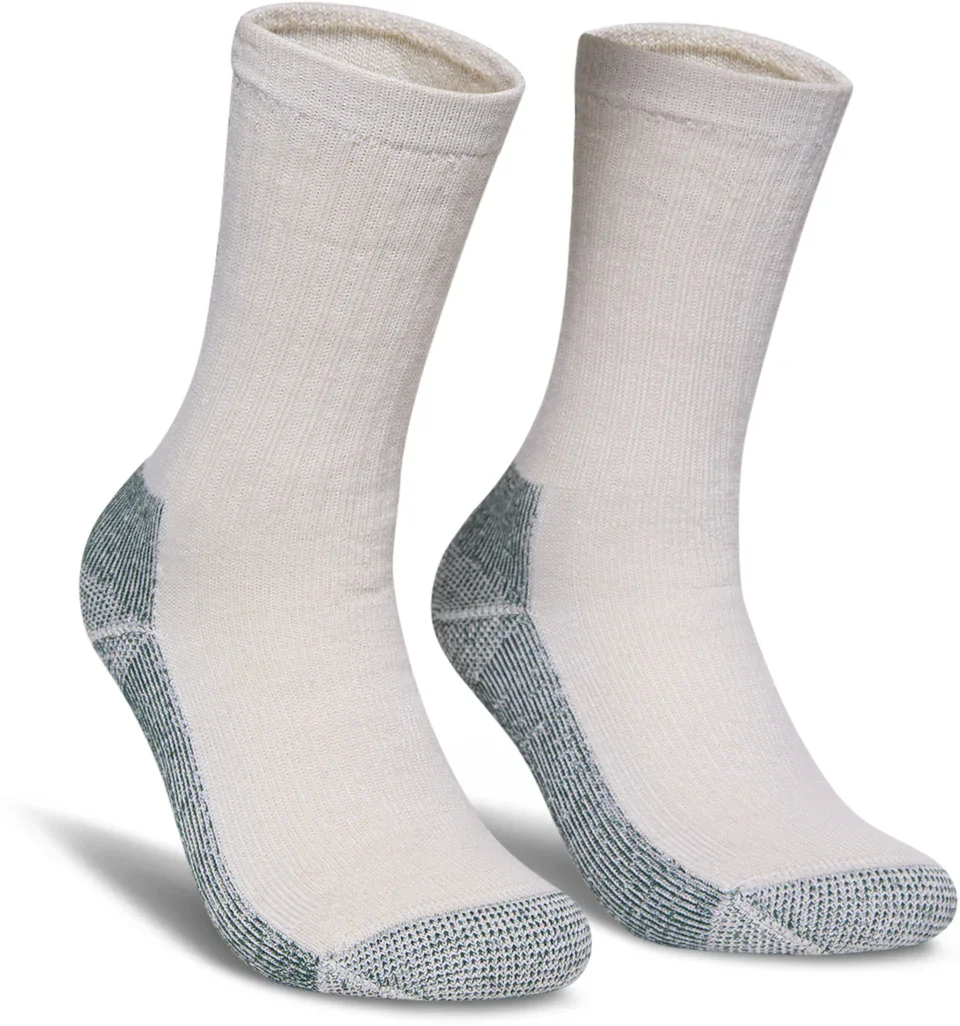
When it comes to socks in winter I always go for a thicker option in wool for the most warmth possible. If I plan on hiking then I would go with a thinner wool sock to avoid getting blisters.
SHOP ALL WINTER ACCESSORIES
Scarves, beanies, socks, gloves and more


Winter Gear Essentials: The Best Clothing for Cold Destinations & Outdoor Trips